


Introduction to Angle Grinders and Cut-Off Tools
Angle grinders and cut-off tools are essential equipment often utilized in various trades, including construction, metalworking, and DIY projects. Understanding each tool’s specific applications and capabilities can significantly enhance efficiency and effectiveness in tasks involving cutting, grinding, or polishing materials.
Angle grinders, commonly characterized by their rotating disc design, are versatile tools that can perform multiple functions. They are primarily used to grind, cut, and polish different materials, including metal, concrete, and ceramic tiles. The ability to attach different types of discs facilitates this versatility, enabling users to choose the appropriate attachment for a particular job. This adaptability makes angle grinders a favored option among professionals and hobbyists alike.
On the other hand, cut-off tools, sometimes referred to as cut-off saws, are designed specifically for making straight cuts in materials. They typically feature a smaller diameter grinding wheel and a more focused design aimed at cutting through metal, wood, and other materials. These tools deliver precise cuts and are particularly advantageous when working on detailed projects that require accuracy. Cut-off tools are often preferred in scenarios requiring quick and clean cutting, such as in plumbing and electrical installations.
While both angle grinders and cut-off tools perform cutting tasks, it is essential to recognize their distinct features. Angle grinders offer more versatility due to their ability to use various attachments, while cut-off tools deliver superior precision for cutting applications. Understanding these differences and similarities can help individuals select the right tool for their particular needs, ensuring optimal results in their projects. This foundational knowledge is crucial for anyone looking to engage in tasks requiring these powerful tools.
Understanding Angle Grinders
An angle grinder, commonly known for its versatility, is a powerful handheld tool primarily used for cutting, grinding, and polishing materials. At its core, the device features a robust motor that generates high-speed rotation, driving a disc attached at an angle. This design enables the angle grinder to achieve various tasks effectively, making it a staple in both professional workshops and home improvement projects.
The main components of an angle grinder include the motor, a gear head, and the protective guard, which plays a crucial role in safety by guarding against flying debris and sparks. The motor harnesses electrical energy, converting it into mechanical energy to rotate the attached disc. Depending on the need, users can easily swap out the discs, which come in various types crafted for specific purposes. These include cutting discs, grinding wheels, and flap discs, each designed to handle different materials such as metal, masonry, or wood.
In terms of operation, using an angle grinder typically involves holding the tool with both hands, maintaining a firm grip, and applying appropriate pressure while directing the grinder along the intended cutting or grinding line. The angle at which the grinder is held can also affect the efficiency of the task at hand. For instance, cutting through metal may require a flatter angle for optimal performance, while polishing would necessitate a different approach altogether.
Overall, understanding how an angle grinder functions, along with its range of available discs, is essential for anyone looking to maximize the utility of this multifaceted tool. With a blend of power and flexibility, an angle grinder can serve as an invaluable asset for various tasks, including its potential use as a cut-off tool.
What are Cut-Off Tools?
Cut-off tools play a significant role in various industries by providing precise and efficient cutting capabilities. These tools are specifically designed for cutting through materials such as metal, plastic, and concrete. The operation of cut-off tools generally involves a rotary mechanism that spins an abrasive disc or wheel, allowing it to shear through the material with ease. Their compact design often facilitates access to tight spaces, making them invaluable in construction and fabrication jobs.
Unlike other power tools that may be designed for drilling or grinding, cut-off tools focus solely on cutting. This specialization allows them to achieve higher efficiency levels in their primary function, often resulting in cleaner cuts and reduced effort compared to standard saws or manual cutting tools. The ability to use a variety of cutting discs tailored for specific materials—such as diamond blades for concrete or metal-cutting wheels for steel—further reinforces their versatility. Different cut-off tools may also feature varying power levels, with standard classifications including electric, pneumatic, and even handheld models.
These tools are commonly used in various applications, including metal fabrication, plumbing, and electrical installations, where precise cuts are essential. In addition to their widespread use in industrial settings, cut-off tools are also favorable among DIY enthusiasts for home improvement projects requiring precise cuts. Their efficiency, compactness, and specialized design make them indispensable in many cutting tasks.
Overall, understanding the unique characteristics and specific purposes of cut-off tools is crucial for selecting the right tool for a given project. Proper knowledge equips users with the ability to operate them safely and effectively, maximizing their benefits while ensuring a quality outcome in various cutting applications.
Can an Angle Grinder Substitute a Cut-Off Tool?
When evaluating the utility of an angle grinder as an alternative to a cut-off tool, it is vital to consider both the benefits and limitations that come with such a substitution. Angle grinders are versatile power tools primarily designed for grinding, polishing, or sanding surfaces. However, with the appropriate blade, they can also perform cutting tasks, potentially standing in for a dedicated cut-off tool.
One significant advantage of using an angle grinder is its adaptability. It allows operators to switch out blades depending on the material being cut—whether it be metal, concrete, or tile. This flexibility can make an angle grinder a practical choice for various projects, particularly for those who may not own multiple dedicated tools. Furthermore, angle grinders typically have higher RPMs than standard cut-off tools, which can lead to quicker cuts and increased efficiency in certain applications.
Nonetheless, there are inherent disadvantages to using an angle grinder as a substitute for a cut-off tool. Safety is a primary concern; angle grinders can produce sparks and debris at high speeds, potentially endangering the user if proper precautions are not taken. Additionally, the design of an angle grinder may make it less suitable for precise cuts, particularly in tight spaces or when straight edges are necessary. For more delicate or intricate tasks, a specialized cut-off tool may provide greater accuracy and control.
Ultimately, whether an angle grinder can adequately replace a cut-off tool will depend on the specific scenario. For straightforward, rough cuts on robust materials, the former can serve as a valuable option. However, in situations demanding finesse and precision, using a dedicated cut-off tool remains the recommended approach. Balancing these factors is crucial for effective tool selection.
Similarities Between Angle Grinders and Cut-Off Tools
Angle grinders and cut-off tools serve as essential implements in various industries, owing to their remarkable similarities. A primary feature shared by both tools is portability. Angle grinders are typically lightweight and compact, making them easy to maneuver in tight spaces, similar to cut-off tools, which are designed for quick and convenient cuts without the need for extensive setup. This portability enhances their appeal, particularly for professionals working on-site or within confined areas.
Versatility is another critical similarity. Both angle grinders and cut-off tools can accommodate various attachments, allowing for a wide range of applications, from metal cutting and grinding to polishing and sanding. For example, when equipped with a suitable disc or blade, an angle grinder can effectively perform tasks similar to those handled by cut-off tools. This flexibility makes them invaluable in construction, metalworking, and home improvement tasks.
Furthermore, both tools can cut through similar materials, including metals, woods, and plastics, albeit with varying degrees of efficiency and precision. Angle grinders, often utilizing a metal cutting disc, can quickly slice through metal pipes and sheets, while cut-off tools are specifically designed for precision cuts in various materials. This functional overlap highlights the practicality of each tool in handling common cutting challenges faced by users.
The user experience for both angle grinders and cut-off tools remains largely consistent. Each tool typically features a trigger or switch mechanism for operation, offering users control over their cutting tasks. The ability to swiftly change accessories enhances efficiency, making both tools adaptable to differing project demands. Such shared attributes solidify their roles as crucial tools in the modern workspace.
Differences Between Angle Grinders and Cut-Off Tools
Angle grinders and cut-off tools are both essential power tools in various industries, yet they serve distinct purposes and offer different functionalities that may influence a user’s choice. Understanding these differences is crucial for selecting the right tool for specific tasks.
One of the primary differences lies in the design of the tools. Angle grinders are versatile devices equipped with rotating discs that can perform multiple functions such as grinding, polishing, and yes, cutting. The rotating discs can vary in size and are interchangeable, allowing for a wide range of applications. In contrast, cut-off tools, often referred to as cut-off saws or chop saws, are specifically designed for cutting materials like metal, concrete, or stone. Their design generally includes a fixed blade that is optimized for cutting operations, providing more precision in material separation.
Safety features also differentiate these tools significantly. Angle grinders are often equipped with safety guards and are designed with user ergonomics in mind. However, they require careful handling due to their high-speed discs which can pose risks if not managed properly. Cut-off tools, on the other hand, frequently incorporate additional safety mechanisms such as blade guards and better control systems that minimize user exposure to cutting blades.
Ease of use is another critical distinction. While angle grinders can be complex due to their multi-functionality, requiring users to understand various attachments and their applications, cut-off tools tend to have a more straightforward operation. Users typically set the appropriate blade, secure the material, and execute cuts with ease. This simplicity makes cut-off tools a preferred choice for tasks that demand accuracy and speed without the learning curve associated with operating angle grinders.
When it comes to performance, each tool excels in its niche, with angle grinders providing versatility at the expense of cutting precision, while cut-off tools ensure clean cuts but are less adaptable for other applications.
Safety Considerations When Using an Angle Grinder as a Cut-Off Tool
Using an angle grinder as a cut-off tool can be effective for various tasks; however, it comes with inherent risks that necessitate strict safety measures. To ensure safe operation, it is vital to follow established safety protocols and wear appropriate personal protective equipment (PPE). Before starting any cutting project, you should don safety goggles to protect your eyes from flying debris and a face shield for additional facial protection. Hearing protection, such as earplugs or earmuffs, is also essential due to the high noise levels generated by the tool. Furthermore, dust masks should be considered, especially if cutting materials like concrete or metal that might produce harmful dust particles.
Proper cutting techniques are crucial when utilizing an angle grinder for cutting tasks. Always ensure that you are using the right type of cutting disc for the material at hand. Typically, a thin cutting wheel is preferable for achieving clean cuts and minimizing material wastage. It is wise to position the grinder at an angle that allows gravity to assist with the cutting action, reducing the strain on both the tool and the user. Additionally, make sure to secure the workpiece firmly to prevent it from moving during the cutting process, as this can lead to accidents or injury.
Be aware of potential hazards associated with angle grinders, including kickback, which occurs when the disc gets snagged, causing the tool to jerk suddenly. This can result in loss of control and serious injuries. Additionally, sparks generated during cutting can ignite flammable materials nearby; therefore, it is essential to clear the workspace of any obstructions and combustibles. It’s also advisable to keep a fire extinguisher within reach as a precaution. By adhering strictly to these safety considerations, you can significantly mitigate risks while using an angle grinder as a cut-off tool, ensuring a safer working environment.
Practical Tips for Using an Angle Grinder as a Cut-Off Tool
An angle grinder can serve as an effective cut-off tool when used correctly. To ensure successful cutting outcomes, one of the primary considerations is blade selection. It is important to choose the right type of blade based on the material being cut. For metal, use a bonded abrasive wheel, while for masonry, a diamond blade is optimal. The diameter of the blade must also match the specifications of the angle grinder, as using an incompatible size may compromise safety and performance.
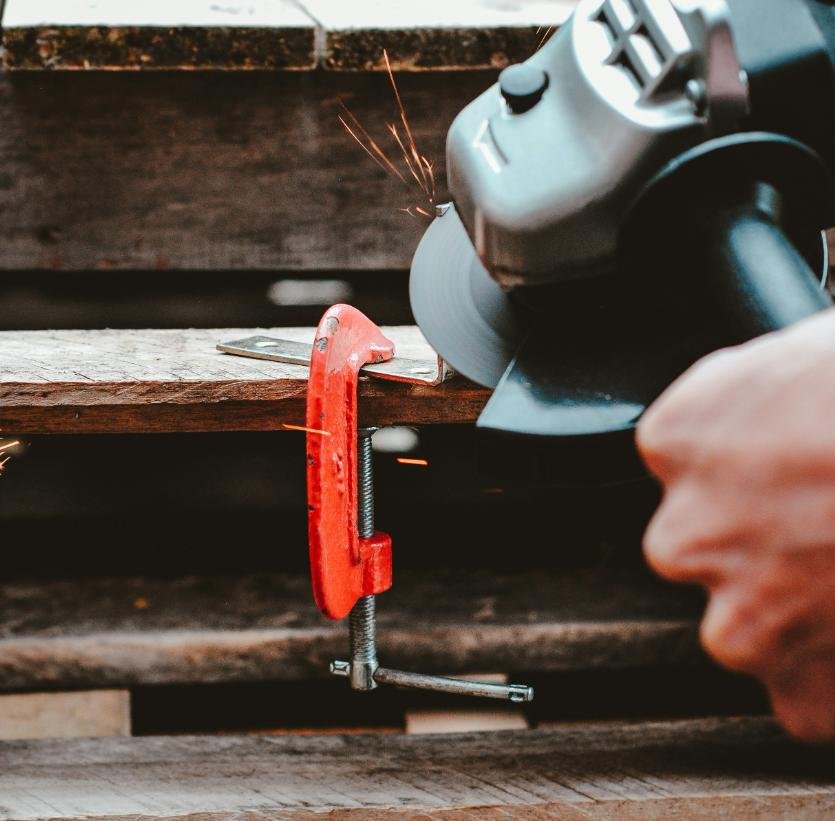
Another crucial aspect is ensuring the tool is set up appropriately for the task. Before beginning any cutting work, inspect both the grinder and the blade for any signs of damage. A stable setup will enhance accuracy while reducing the risk of accidents. Secure the workpiece properly to prevent movement during cutting. Using clamps or a vise can be beneficial in achieving a steady hold, allowing for cleaner, more precise cuts.
Moreover, adopting suitable techniques can significantly influence the effectiveness of the cutting process. Maintain a firm grip on the angle grinder, keeping both hands on the tool for enhanced control. When making cuts, begin with a steady motion rather than applying excessive pressure, which can lead to blade wear and inaccuracies. If the cutting task involves intricate shapes, consider making shallow cuts first to create a guideline. Once established, deeper cuts can follow along the marked lines for improved precision.
It is also advisable to wear appropriate personal protective equipment, including safety goggles, gloves, and a face shield, to safeguard against potential debris and sparks. With these practical tips in mind, an angle grinder can be efficiently utilized as a cut-off tool, yielding satisfactory results when handling various cutting tasks.
Conclusion: When to Use Each Tool
In determining whether an angle grinder can replace a traditional cut-off tool, it is essential to consider the specific requirements of your project. Angle grinders are versatile power tools capable of performing various tasks, including cutting, grinding, and polishing, making them valuable in workshops and construction sites. However, their design and functionalities can make them more suitable for certain tasks than others.
When faced with a project requiring precision cuts on metal, masonry, or tiles, an angle grinder equipped with the appropriate disc can efficiently perform these functions. They are particularly advantageous for making quick cuts or for use in tight spaces where larger tools may be impractical. However, it is crucial to ensure that the angle grinder is used with the correct disc to avoid potential hazards and achieve optimal cutting performance.
On the other hand, a dedicated cut-off tool is engineered specifically for cutting materials with accuracy and speed. These tools often provide a level of stability that an angle grinder may not, which is particularly beneficial when working with thicker materials or when straight cuts are required. Additionally, cut-off tools typically feature a lower RPM, which can help reduce the risk of overheating and prolong the life of the blade. Thus, when the goal involves extensive cutting tasks, especially in thicker substrates, employing a cut-off tool is advisable.
Ultimately, the choice between using an angle grinder or a cut-off tool should be influenced by the cut’s nature and the materials involved. Understanding the strengths and limitations of each tool ensures that the right equipment is selected for the job, promoting safety and efficiency in your cutting tasks.