Introduction to Electric Fireplaces
Electric fireplaces are innovative heating solutions that have gained popularity in modern home design due to their convenience, aesthetic appeal, and energy efficiency. Unlike traditional wood-burning or gas fireplaces, electric fireplaces utilize electricity to generate heat and simulate the appearance of flames, making them a safer and cleaner alternative. Their operation involves heating elements that warm the air, accompanied by LED lights to create realistic flame effects, providing both warmth and ambiance without the need for combustible fuel.
There are various types of electric fireplaces available to suit different preferences and interior styles. Wall-mounted electric fireplaces are a popular choice for those looking to save space while adding a contemporary decorative element to their rooms. Freestanding units, which resemble traditional fireplaces, are perfect for individuals seeking mobility and ease of installation. Conversely, electric fireplace inserts can be positioned within existing mantels, allowing homeowners to convert their traditional fireplaces into efficient electric options. Each type offers unique designs and functionalities tailored to enhance the overall aesthetic of the space.
Another key aspect of electric fireplaces is their energy efficiency. As they do not require venting or the use of fossil fuels, the carbon footprint of electric fireplaces is significantly lower than their traditional counterparts. Many models also feature adjustable heat settings, allowing users to customize their energy usage according to their heating needs. With the potential to operate solely as a decorative element without providing heat, electric fireplaces provide versatility throughout the seasons, catering to those who appreciate both warmth and visual appeal in their homes.
Understanding Electric Fireplace Mechanisms
Electric fireplaces have gained popularity as a convenient and efficient alternative to traditional wood-burning or gas fireplaces. At their core, electric fireplaces operate by converting electrical energy into heat. This process begins with an electric heating element, typically comprised of metal coils that generate warmth when electricity flows through them. As the coils heat up, they release warmth into the room, providing the desired ambient temperature.
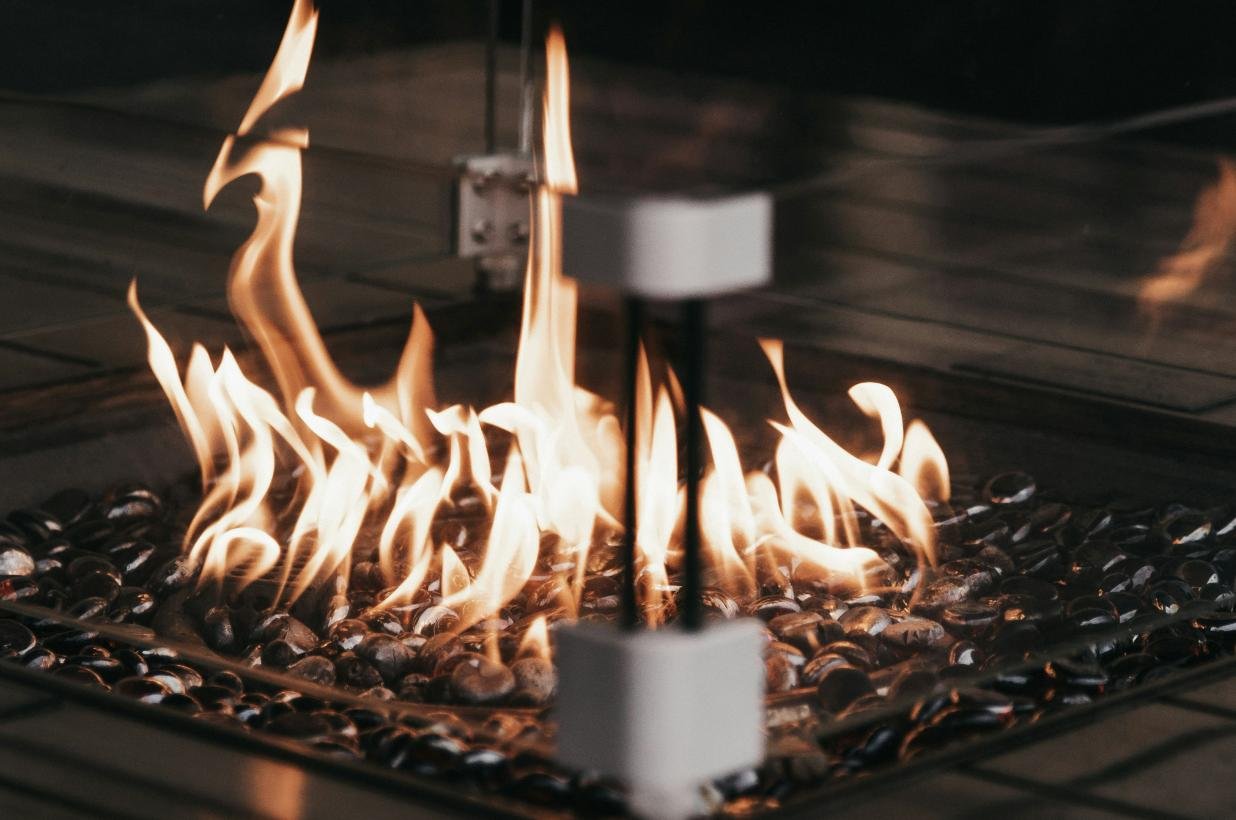
One of the standout features of electric fireplaces is their ability to simulate the appearance of flames. This flame simulation technology uses a combination of LED lights and holographic projections, creating a lifelike representation of flickering flames. This visual aspect enhances the overall aesthetic appeal of electric fireplaces, allowing them to maintain an inviting atmosphere without the fire hazards present in traditional models. The flame effect can often be operated independently from the heating function, offering added versatility for users.
Safety is a top priority in the design of electric fireplaces. Most units come equipped with built-in safety features, such as overheating protection, which automatically turns off the unit if it detects excessive heat. Additionally, electric fireplaces do not produce actual flames or fumes, reducing the risk of carbon monoxide poisoning or burn injuries. Many models also incorporate tip-over switches, ensuring that the unit powers down if it is accidentally knocked over. These safety mechanisms contribute to the overall efficiency and reliability of electric fireplaces, making them a suitable option for various living spaces.
In understanding these components and their roles, homeowners can make informed decisions regarding electric fireplaces, ensuring they choose a model that meets their heating needs while prioritizing safety and aesthetic preferences.
The Safety Aspects of Leaving an Electric Fireplace On
When considering the use of an electric fireplace for extended periods, particularly overnight, safety becomes a paramount concern. Electric fireplaces are designed with various features aimed at minimizing potential risks, but understanding these mechanisms is essential for safe operation. One of the primary risks associated with electric fireplaces is overheating. Continuous operation can lead to excessive heat buildup, which may pose a fire hazard if proper precautions are not taken.
To mitigate this risk, most modern electric fireplaces are equipped with built-in safety mechanisms. One significant feature is the automatic shut-off function, which activates when the unit reaches a certain temperature. This safety feature is crucial as it prevents the unit from overheating and potentially causing a fire. Additionally, many manufacturers recommend ensuring that the fireplace is properly ventilated and not placed near flammable materials, such as furniture, curtains, or paper products, which can ignite if exposed to excessive heat.
Another important safety consideration is the electrical system itself. Users should ensure that the electric fireplace is plugged into an appropriate outlet that is capable of handling the unit’s power requirements. Overloading electrical circuits can lead to short circuits or electrical fires, thus, it is advisable to avoid using extension cords. Instead, direct connections to wall outlets are recommended for enhanced safety.
Finally, regular maintenance and inspections are key components of safe electric fireplace operation. Users should check for any signs of wear, such as frayed cords or damaged components, and address these issues promptly. By being aware of these safety considerations and adhering to best practices, individuals can enjoy the warmth and ambiance provided by their electric fireplace with reduced risk, even during overnight use.
Potential Risks and Concerns
While electric fireplaces are generally considered safer than traditional wood-burning or gas alternatives, there are still several potential risks and concerns associated with running them continuously throughout the night. One significant concern involves electrical issues. Like any electrical appliance, electric fireplaces can pose risks if improperly installed or maintained. In rare instances, faulty wiring or malfunctioning components may lead to overheating or even fires, underscoring the importance of regular inspections and following manufacturer guidelines.
Another critical aspect to consider is energy consumption. Electric fireplaces can consume a considerable amount of electricity, depending on their wattage and usage patterns. Leaving an electric fireplace on all night can lead to substantially higher utility bills. For individuals seeking to manage energy costs effectively, it may be prudent to use timers or programmable settings that allow the device to operate only during necessary hours. These features can also help mitigate unnecessary energy consumption, which is increasingly important in today’s environmentally conscious society.
Additionally, the impact on indoor air quality should not be overlooked. Although electric fireplaces do not emit harmful pollutants in the same manner as gas or wood-burning fireplaces, running any heating device continuously can affect the humidity levels in a room. Lower humidity may lead to dry skin and respiratory discomfort, especially in colder months. Ensuring adequate ventilation and humidity control can help maintain a comfortable and healthy living environment.
Real-life scenarios showcase these concerns vividly. There have been reports of electric fireplaces overheating due to prolonged use, leading to property damage and safety hazards. Likewise, families who frequently leave their electric fireplaces running at night have experienced significantly increased energy bills. Given these potential risks, it is advisable to exercise caution and use these devices sensibly.
Energy Consumption and Costs
Electric fireplaces have gained popularity for their convenience and aesthetic appeal. However, understanding their energy consumption compared to traditional heating methods is essential for informed decisions regarding usage, especially when considering leaving them on overnight. Electric fireplaces typically consume between 1,200 and 1,500 watts per hour, depending on the model and settings used. In contrast, traditional heating systems, such as gas or oil furnaces, can vary significantly in energy consumption, often leading to higher long-term costs.
When evaluating the costs associated with using an electric fireplace, it is crucial to consider average electricity rates. As of October 2023, the national average cost of electricity in the United States is approximately $0.13 per kilowatt-hour (kWh). For instance, if an electric fireplace operates at 1,500 watts, that translates to 1.5 kW per hour. If left on for eight hours, the total energy consumption would be 12 kWh, resulting in an energy cost of about $1.56 for the night (12 kWh multiplied by $0.13 per kWh).
In contrast, conventional heating methods often require higher initial energy outputs, particularly during colder months. While electric fireplaces can offer zone heating, minimizing energy consumption, it is essential to factor in the frequency and duration of use. Leaving an electric fireplace on overnight can be a viable option for maintaining comfort in smaller, secluded areas but may result in cumulatively higher energy expenses compared to traditional systems if used excessively. Price fluctuations in electricity markets, along with changes in personal energy needs, should also be monitored to optimize cost efficiency.
Ultimately, understanding energy consumption, cost implications, and the efficiency of electric fireplaces will empower homeowners to make informed choices about their heating practices.
User Experiences and Testimonials
User experiences play a significant role in understanding the practicality and implications of leaving an electric fireplace on overnight. Many users report positive experiences, appreciating the warmth and comfort provided during cold nights. One user shared that leaving their electric fireplace on helped maintain a cozy atmosphere in their living room, allowing them and their family to enjoy uninterrupted relaxation while watching movies. They noted that the electric fireplace created a gentle warmth without the dangers associated with traditional wood-burning fireplaces.
Another individual emphasized the convenience of electric fireplaces, stating that they could set a timer to ensure it runs only for a specific duration. This feature allowed for peace of mind, knowing that the unit would turn off automatically after a set time. Users like this often highlight the energy efficiency of electric fireplaces as a significant advantage, as they used less energy compared to other heating methods. They mentioned that, as a result, their energy bills remained manageable, even with frequent use.
However, cautionary tales also emerged among user testimonials. Some individuals experienced unexpected issues when leaving their electric fireplaces on overnight. A user recounted a situation where the fireplace caused an unexpected fluctuation in the home’s electrical system, resulting in tripped circuit breakers and minor electrical issues. This prompted them to reconsider their usage patterns, opting to use the fireplace only when they could monitor it closely. Meanwhile, another user highlighted that, despite the reliability of the unit, they observed it becoming excessively warm during extended use, leading them to recommend maintaining a reasonable time limit.
Overall, these varied experiences provide insights into the practice of leaving an electric fireplace on throughout the night, blending comfort with the need for caution in certain situations. Balancing these aspects can assist individuals in making informed decisions about their heating preferences.
Best Practices for Using Electric Fireplaces Overnight
When utilizing an electric fireplace overnight, it is imperative to prioritize safety while maximizing the benefits such devices offer. Proper placement of the electric fireplace is crucial. It should be situated away from flammable materials such as curtains, furniture, and any other obstructions that may pose a fire risk. Creating a safe distance ensures that the heat generated does not create a hazardous situation, allowing users to enjoy warmth without concern.
Another best practice includes the use of timers. Many electric fireplaces are equipped with built-in timers that allow users to set specific hours for operation. By programming the unit to turn off after a designated period, one can ensure that the fireplace does not remain on throughout the night unnecessarily. This practice not only enhances safety but also conserves energy, making it an effective way to enjoy the comforting heat without incurring excessive electricity costs.
Monitoring usage is also a critical aspect. While electric fireplaces are generally safe, it is advisable to check on the device periodically if left running overnight. This practice involves ensuring that the fireplace functions correctly without any unusual sounds or smells, which could indicate a malfunction. Furthermore, it is wise to use the electric fireplace in conjunction with a carbon monoxide detector and a smoke alarm in the vicinity. These devices provide additional layers of safety by prompting immediate action should any issues arise.
Incorporating these best practices can significantly enhance the experience of using an electric fireplace overnight. By adhering to proper placement, utilizing timers, and engaging in routine monitoring, users can safely bask in the warmth and ambiance provided by their electric fireplace, ensuring a cozy and secure environment throughout the night.
Alternatives to Leaving Electric Fireplaces On
While electric fireplaces offer convenience and warmth, leaving them on overnight may not be the safest choice for everyone. Fortunately, various alternatives can provide efficient heating while reducing potential risks associated with prolonged use of electric fireplaces. One such alternative is the use of programmable heaters. These devices can be set to operate for designated periods, allowing for maintained warmth without needing to run continuously throughout the night.
Another viable option is a programmable thermostat, which works in conjunction with central heating systems. By regulating the temperature within your home, these thermostats allow for automatic adjustments based on your preferences and time of day. As a result, the system can decrease energy consumption during the night while ensuring your living space remains comfortable. This method is particularly beneficial in larger homes where heating needs vary from room to room.
Additionally, consider investing in modern heating appliances, such as oil-filled radiators or ceramic heaters, which provide a safe and efficient alternative to electric fireplaces. Oil-filled radiators are known for their ability to retain heat for longer periods after being turned off, making them an excellent choice for overnight use. Conversely, ceramic heaters often come equipped with safety features such as tip-over protection and overheat shut-off mechanisms, ensuring that they can be safely left to operate without constant supervision.
For those who prefer a more natural heating solution, heated blankets and mattress pads can also be effective in providing localized warmth throughout the night. These products utilize safe, low-voltage electricity to generate heat, allowing for individual comfort without overheating the entire room. In summary, various options are available that can help maintain a warm environment without relying solely on electric fireplaces overnight.
Conclusion and Final Thoughts
In recent years, electric fireplaces have gained popularity as convenient and efficient alternatives to traditional heating methods. As we have explored in this comprehensive guide, the question of whether one can safely leave an electric fireplace on all night involves several crucial considerations. Primarily, the safety of operating an electric fireplace overnight hinges on the model’s design, functionality, and the provisions for safe use.
Modern electric fireplaces typically come equipped with safety features, such as automatic shut-off systems, timers, and temperature controls. These features help mitigate the risks associated with leaving the unit running for extended periods. However, it is imperative for users to familiarize themselves with their specific appliance’s guidelines and operational features. Proper maintenance and regular checks are essential to ensure optimal performance and safety, further enhancing the efficiency of the heating unit.
It is also vital to consider individual circumstances when deciding whether to leave an electric fireplace on overnight. For instance, evaluating the room’s temperature, the age and condition of the appliance, and personal comfort levels can significantly influence this decision. While for some, the ambient warmth provided by an electric fireplace can ensure restful sleep, others might prefer to turn it off to eliminate any concerns about overheating or energy consumption.
Ultimately, the approach to using an electric fireplace overnight should be guided by informed decision-making tailored to specific needs. By weighing the safety features, personal preferences, and energy efficiency, users can make choices that enhance comfort while mitigating potential risks. Therefore, it is crucial to assess both the advantages and challenges of overnight operation consistently.