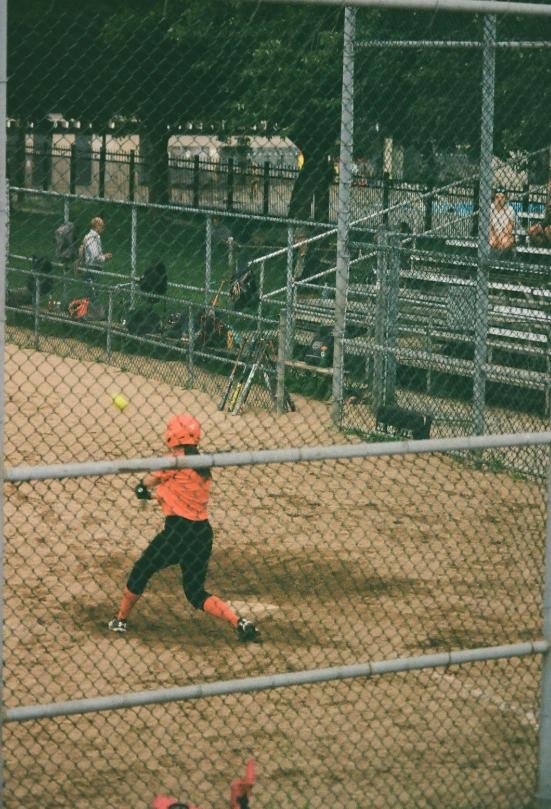
Understanding the Slowpitch Softball Game
Slowpitch softball is a distinct variant of softball characterized by its slower pitch speeds and unique gameplay dynamics. Unlike fastpitch softball, where pitchers deliver the ball at much higher velocities, in slowpitch, the ball is lobbed to the batter, usually at a speed of 10 to 12 miles per hour. This allows batters more time to react and significantly influences the hitting technique employed by players.
The fundamental nature of slowpitch softball promotes a different approach to batting. Power hitting becomes the focal point of the game, with players aiming to launch the ball over the outfield and into the stands. This emphasis on power necessitates the use of specialized equipment, particularly bats designed to maximize distance and impact. As such, the choice of a slowpitch softball bat is critical for power hitters seeking to enhance their performance on the field.
In comparison to traditional baseball, the playing field dimensions and team structures differ notably in slowpitch softball. The bases are usually set at a distance of 65 feet apart, and the outfield is larger, allowing for significant home runs, which are a common result of effective power hitting. The game generally comprises nine or ten players on each team; this slightly reduced number of players compared to baseball can lead to more scoring opportunities and highlights the role of each player, especially those wielding power bats.
A vital aspect of gameplay is understanding the optimum conditions for hitting. Batters in slowpitch softball must often wait for the right pitch, utilizing their strength and technique to drive the ball powerfully forward. The bat serves as an extension of the hitter’s strength, making the selection of an appropriate bat paramount to a player’s success. Bats engineered for maximum performance can significantly increase a player’s ability to connect powerfully with the ball, transforming their contributions to the game.
Key Features to Look for in Slowpitch Softball Bats
When selecting a slowpitch softball bat, various key features should be considered to optimize performance and enhance hitting power. The essential attributes include barrel diameter, length, weight, and material composition, each playing a significant role in how the bat performs during play.
Barrel diameter is crucial, as it affects the bat’s sweet spot and overall hitting area. Most slowpitch bats come with standard diameters of either 2 1/4 inches or 2 5/8 inches. A larger barrel diameter can facilitate a greater hitting surface, potentially improving contact and distance. However, players should also focus on how the bat feels in their hands to ensure effective control during swings.
The length of the bat is another essential aspect. A bat that is too long can hinder swing speed and control, while a bat that is too short may reduce power. Players must consider their own height and swing mechanics to find the optimal length that provides a balance of reach and maneuverability.
Weight significantly affects swing dynamics; bat weights can range from around 26 to 30 ounces. Generally, lighter bats offer improved swing speed, while heavier bats can result in greater hitting power. Power hitters often prefer a balanced or end-loaded bat, which can provide a more powerful swing due to its mass distribution.
Lastly, the material composition of slowpitch softball bats can determine their durability and performance. Common materials include aluminum, composite, and hybrid constructions. Each material type influences not only the bat’s overall weight and balance but also the feedback during contact, aiding players in selecting the most suitable option for their playing style.
Understanding Bat Construction: One-Piece vs. Two-Piece
When selecting a slowpitch softball bat, understanding the construction is crucial, as it significantly impacts performance and the overall experience for power hitters. The two primary types of bat constructions are one-piece and two-piece designs, each exhibiting unique characteristics that cater to different preferences and playing styles.
One-piece bats are constructed from a single piece of material, typically aluminum or composite, which enhances stiffness. This construction offers a consistent flex throughout the bat, translating directly into energy transfer at the point of impact. For power hitters, the solid feel of a one-piece bat allows for maximum energy to be transferred from the bat to the ball, resulting in improved distance on contact. However, one-piece models can sometimes transmit more vibration to the hands upon impact with the ball, which may not be ideal for all players.
On the other hand, two-piece bats consist of a separate handle and barrel joined by a connector. This design allows for greater flexibility, which can assist in reducing vibrations felt by the hands. The energy transfer in two-piece bats may not be as direct as in one-piece options, but they often provide improved comfort and control, which can help maintain swing speed. For power hitters, the benefit of reduced vibration can lead to better swing mechanics over time, thereby enhancing overall performance.
Ultimately, the choice between one-piece and two-piece slowpitch softball bats depends on the player’s style and personal preference. Power hitters may lean toward one-piece models for their robust energy transfer capabilities, but two-piece bats also offer advantages that can complement a strong swing. Evaluating these differences is essential to making an informed decision aligned with individual hitting techniques and comfort.
The Importance of Bat Weight and Balance
When selecting a slowpitch softball bat, understanding the significance of bat weight and balance is crucial, especially for power hitters. The combination of these factors directly impacts a player’s ability to make solid contact with the ball, thus enhancing their hitting power. Generally, bats come in two primary configurations: end-loaded and balanced. Each type caters to different swinging styles and player preferences.
An end-loaded bat features more weight towards the barrel’s end, which can provide an added boost to power hitters who can handle the extra weight. This design allows for a greater momentum transfer upon contact, translating to increased distance for batted balls. However, it requires a more robust swinging style, as the added weight can affect swing speed and, ultimately, timing. Players with stronger upper bodies and experience may find this type of bat optimal, allowing for the maximum potential of power hitting.
In contrast, balanced bats distribute weight more evenly along their length. This design aids in swing control and speed, making it easier for players to connect with the ball consistently. For hitters prioritizing precision over sheer power, a balanced bat might be more suitable. These bats can facilitate quicker swings, allowing players to adjust more efficiently to pitch variations, thereby improving their overall batting average.
Ultimately, deciding between an end-loaded or a balanced bat should reflect the player’s unique swinging mechanics, strength level, and personal preferences. Conducting experiments with various bats may help players identify what configuration enhances their hitting performance best. Emphasizing the right bat weight and balance can lead to improved hitting mechanics and augmented power on the field.
Understanding Bat Speed and its Role in Hitting Power
Bat speed is a critical factor in maximizing hitting power, particularly for power hitters in slowpitch softball. The relationship between bat speed and the ability to hit the ball with significant force is well established. Power hitters must focus on achieving an optimal bat speed to convert their strength into distance. This requires a comprehensive understanding of both personal technique and the equipment used.
To enhance bat speed, power hitters should prioritize proper swing mechanics. This includes maintaining a balanced stance, employing an efficient weight transfer, and ensuring a fluid wrist motion during the swing. Each of these elements contributes to the overall speed of the bat as it meets the ball, significantly influencing the power generated upon contact. Additionally, strength training and conditioning play a vital role by providing the muscle stamina needed to maintain high speeds throughout a game.
Moreover, the selection of the right bat is crucial to achieving maximum bat speed. Different bats come with distinct designs, weights, and materials which can all affect performance. Lighter bats, for instance, can facilitate increased swing speed, enabling power hitters to generate more momentum. However, it is important for players to balance bat weight with control, as overly light designs may diminish the impact force during contact. Conversely, heavier bats can provide more power but may result in a slower swing speed.
Finally, advancements in bat technology have led to various designs aimed at improving swing speed and overall performance. Composite materials, for example, can enhance the sweet spot and reduce vibration, allowing hitters to maintain optimal speed with clearer contact. Understanding the intricate relationship between bat speed, technique, and bat design can empower power hitters to maximize their hitting potential effectively.
Evaluating Barrel Size and Sweet Spot
When it comes to selecting the ideal slowpitch softball bat for power hitters, understanding the significance of barrel size and the sweet spot is paramount. The barrel of the bat is not only responsible for generating power but also affects the performance and control a hitter has during their swing. Generally, a larger barrel provides a wider area for contact, allowing players to achieve better results even when the ball is not perfectly struck. This characteristic is particularly beneficial for power hitters who rely on maximum distance and effective ball placement.
A larger barrel often translates to a greater sweet spot, making it easier for players to connect with the ball in a way that optimizes velocity and distance. The sweet spot, the area on the barrel that generates the best performance, plays a critical role in power hitting. When a ball is contacted within this zone, it can yield better exit velocities and minimize vibrations in the hands, thereby enhancing comfort during play. Consequently, when evaluating different bats, players should take note of which models offer a larger sweet spot, as this can significantly influence their hitting success.
Moreover, while barrel size and sweet spot play crucial roles in a bat’s performance, hitters must also consider their own hitting style and preferences. Not all players will find a bat with a larger barrel comfortable or suited to their swing mechanics. It is advisable for power hitters to experiment with various barrel sizes to determine what feels most natural and effective for their unique approach at the plate. By prioritizing the evaluation of barrel size and sweet spot, hitters can select a bat that complements their power-hitting capabilities, leading to improved performance during games.
Material Matters: Graphite, Composite, and Aluminum Bats
When selecting a slowpitch softball bat, understanding the materials used in construction is crucial for power hitters aiming to maximize performance on the field. The three predominant materials found in slowpitch softball bats include graphite, composite, and aluminum, each offering unique advantages and characteristics that can significantly influence a player’s game.
Graphite bats are known for their lightweight design, allowing for faster swing speeds. This increased speed can translate to more power at the plate, making these bats ideal for hitters looking to maximize distance. Additionally, the vibration dampening qualities of graphite can contribute to a more comfortable feel during contact, reducing the shock often felt with harder hits. However, these bats can be more fragile compared to their aluminum counterparts and may not provide the same level of durability over time.
Composite bats, often constructed with layers of material, are designed to offer improved performance through a larger sweet spot. This feature is particularly beneficial for power hitters, as it enhances the chances of making optimal contact with the ball. Composite bats require a break-in period, but once fully broken in, they can produce exceptional exit velocities. Their design also allows for a balanced feel and produces less vibration upon impact, which many players find desirable. However, like graphite, composite bats can be susceptible to cracking or breaking, particularly in colder weather.
Aluminum bats, renowned for their durability and performance, strike a balance between power, control, and resilience. They are less prone to wear and tear and can withstand harsh conditions, making them a reliable option for players seeking longevity in their equipment. While aluminum bats may provide less of a forgiving sweet spot compared to composite options, advancements in technology have led to models that still deliver impressive performance. Many players appreciate the instant response and consistent pop upon contact that aluminum bats can offer.
Ultimately, the best choice among graphite, composite, and aluminum bats will depend on individual preferences and playing styles. Understanding the materials and their implications will aid power hitters in selecting a bat that aligns with their specific performance goals.
Certification and Rules: What You Need to Know
When selecting a slowpitch softball bat, understanding the certification and regulations governing bat usage is crucial for both recreational and competitive play. Various governing bodies, such as the Amateur Softball Association (ASA), the U.S. Specialty Sports Association (USSSA), and the National Softball Association (NSA), have established specific guidelines that ensure equipment safety and fairness in the sport. Compliance with these standards is mandatory, particularly for power hitters seeking to optimize their performance without running afoul of the rules.
Each governing body has distinct certification marks, which are often stamped on the barrel of the bat. For instance, a bat that complies with USSSA requirements will prominently display the USSSA logo, signifying its approval for use in tournaments governed by the organization. Similarly, the ASA mark indicates suitability for play under ASA rules. Players must ensure that their bats bear the appropriate certification mark, as the use of non-compliant bats can lead to penalties, including disqualification from games. This adherence to regulations not only maintains a level playing field but also enhances the overall integrity of the sport.
Beyond certifications, players should also be aware that specific leagues may impose additional restrictions on bat usage. For example, certain leagues might limit the types of bats allowed based on material composition, weight, and barrel size, including restrictions on composite bats. As technology advances, bats are continuously engineered for enhanced performance; hence, understanding these rules becomes even more critical for power hitters intent on leveraging every advantage. Selecting a bat that meets both personal performance desires and compliance requirements ultimately aids in making informed choices that align with the player’s goals and overall competitive spirit.
Top Brands and Models for Power Hitters
When it comes to selecting the ideal slowpitch softball bat for power hitters, several brands stand out in the crowded marketplace, each offering models that cater specifically to those who prioritize hitting distance and power. Understanding the features and benefits of these bats is essential for enhancing performance on the field.
One of the leading brands in the industry is Demarini, known for its innovative technology and unique design elements. The Demarini Mercy is a popular choice among power hitters. This bat features a dual-layer design that optimizes the sweet spot, allowing for maximum energy transfer on contact, enabling players to achieve greater distance. Additionally, the bat’s lightweight construction facilitates quicker swing speed without sacrificing power.
Another reputable brand is Miken, recognized for its high-performance models. The Miken Ultra Fusion is a model that showcases exceptional durability and strength. Designed with a multi-layer composite material, this bat delivers an impressive pop right out of the wrapper. Power hitters appreciate its balanced weight distribution, which aids in achieving powerful swings while maintaining control.
Easton also has a strong presence in the slowpitch softball community, with the Easton Ghost being a standout model. The Ghost is engineered with a two-piece construction that reduces vibration, leading to a more comfortable hitting experience. It features an extended barrel design, providing a larger hitting surface, which appeals to power hitters seeking consistency in their swings.
In the search for the perfect bat, Louisville Slugger should not be overlooked. The Louisville Slugger Z4 offers an advanced multidirectional composite that maximizes performance while remaining lightweight. Its unique design allows hitters to maintain control while harnessing their power, making it a favored choice among experienced players.
As one evaluates these top brands and their standout models, it becomes evident that each bat offers distinctive features that can cater to the requirements of power hitters, ultimately enhancing their game performance.