Introduction to Air Compressors
Air compressors are versatile devices that convert power into potential energy stored in pressurized air. By employing a mechanism that increases the air pressure within a contained environment, air compressors can effectively store energy in the form of compressed air. This compressed air can then be utilized in a variety of applications, ranging from simple household tasks to complex industrial processes.
There are multiple types of air compressors available on the market, each designed to meet specific needs and applications. The most common classifications include reciprocating, rotary screw, and centrifugal air compressors. Reciprocating compressors employ a piston-driven mechanism to compress air, making them reliable for applications that require a moderate amount of compressed air at varying pressures. They are widely used in home workshops, automotive services, and small manufacturing operations.
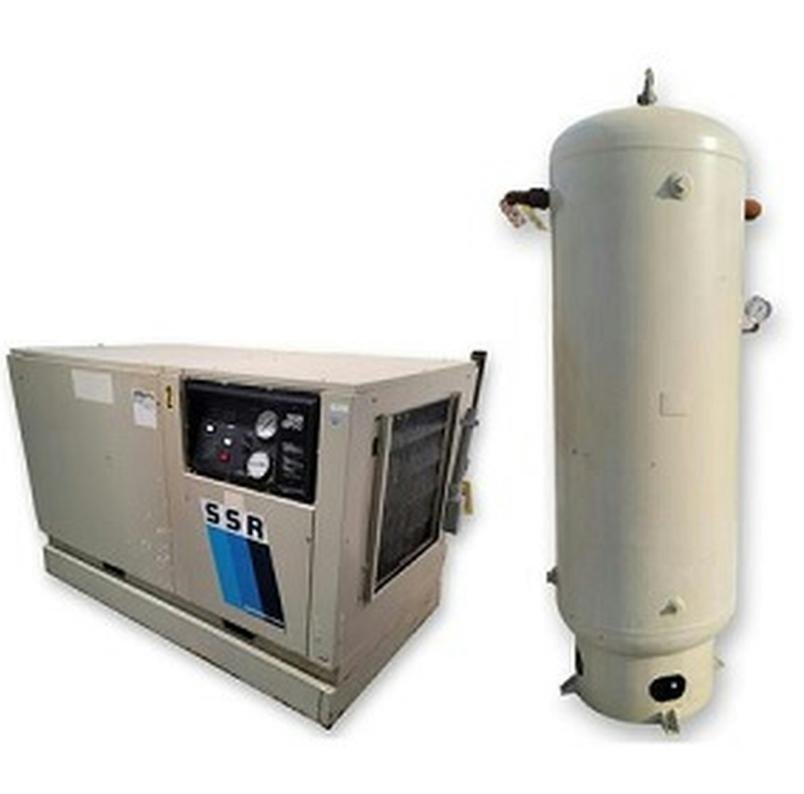
In comparison, rotary screw compressors feature a pair of helical rotors that trap air and force it into a smaller space, resulting in continuous airflow. These compressors are particularly suited for larger-scale operations, such as manufacturing facilities and construction sites, due to their efficiency and ability to provide a constant supply of compressed air. Finally, centrifugal compressors use high-speed rotating impellers to compress air, and they are typically utilized in applications requiring large volumes of air at low pressure, such as power generation and petrochemical industries.
Overall, air compressors play an essential role across various industries and settings. Whether in a home workshop or a large industrial complex, their capability to provide compressed air for tools, machinery, and other applications showcases their importance. Understanding the different types of compressors and their respective functions is key to selecting the right one for any specific task or requirement.
How Air Compressors Work
Air compressors function primarily by converting electrical energy into mechanical energy, which subsequently compresses air. The fundamental operation of an air compressor begins with its core components: the motor, pump, and storage tank. The motor is responsible for driving the pump, a vital part that compresses the incoming air. When the air compressor is switched on, the motor activates the pump, creating a vacuum that draws ambient air into the machine.
Once the air is drawn in, it enters the compression chamber where a piston or other mechanism compresses it. This reduction in volume increases the air pressure. There are various types of air compressors, including reciprocating, rotary screw, and centrifugal models, each employing distinct methods of air compression. For instance, reciprocating compressors use a piston to compress air, while rotary screw compressors utilize two rotating helical screws. Each type has its own efficiencies, suited for different applications.
The compressed air is subsequently stored in a tank, making it available for diverse uses such as powering pneumatic tools, inflating tires, or providing airflow for HVAC systems. The pressure in the tank can be regulated using a pressure switch that engages and disengages the motor to maintain the desired pressure level. This mechanism not only ensures a consistent supply of compressed air but also prevents energy wastage.
Furthermore, the energy efficiency of an air compressor can vary based on its design, operational practices, and maintenance. Regular maintenance is crucial to keep the compressor functioning efficiently, which in turn can help minimize electricity consumption. By understanding the mechanics of air compressors, users can better appreciate their roles in various industries and household applications, as well as their impact on energy use.
Electricity Consumption of Air Compressors
Air compressors are commonly utilized in various industrial, commercial, and residential applications, which raises an important question regarding their electricity consumption. The amount of electricity consumed by an air compressor largely depends on several factors, including its horsepower rating, overall energy efficiency, and the specific model in use. Understanding these elements is crucial for users looking to minimize their energy costs and the environmental impact of their equipment.
Horsepower ratings play a significant role in determining an air compressor’s electrical consumption. Typically, air compressors range from 1 to over 30 horsepower, with higher horsepower resulting in greater electricity usage. For instance, a 5 HP air compressor may consume around 3,800 watts of electricity during operation, while a 20 HP model can use up to 15,000 watts. Therefore, selecting the appropriate horsepower for the intended application can directly influence electricity costs and efficiency.
Power efficiency is another critical factor affecting the electricity consumption of air compressors. Many modern designs focus on energy-efficient technology, such as variable speed drive compressors, which adjust their motor output to match the air demand, thereby conserving electricity. This not only helps to reduce energy bills but also promotes extended equipment lifespan. Users should also consider additional features that can enhance energy efficiency, such as tenders that recover and reuse heat generated during operation.
Finally, it’s essential to compare the electricity consumption of different air compressor models. Some models may be marketed as energy-efficient, yet it is advisable to check their specifications and user reviews. Understanding the energy usage profiles will enable users to make informed decisions when purchasing or operating air compressors, ultimately leading to significant savings on electricity bills while maintaining performance standards.
Factors Affecting Electricity Usage
Air compressors are essential tools in various industries, but their energy consumption can vary significantly based on several key factors. Understanding these factors not only helps in optimizing electricity usage but also in making informed decisions about purchasing and operating air compressors.
One of the primary factors influencing the electricity usage of air compressors is their duty cycle. The duty cycle refers to the ratio of operating time to rest time. For example, a compressor with a duty cycle of 50% operates for 15 minutes and then requires a 15-minute cooling period. Higher duty cycles mean longer operation periods, leading to increased energy consumption. Therefore, selecting an air compressor with an appropriate duty cycle for specific tasks is crucial for energy efficiency.
Another factor to consider is the size of the compressor. Larger units typically consume more electricity compared to their smaller counterparts. When selecting an air compressor, it is essential to assess the required specifications for your tasks. Using an oversized compressor for minor tasks can lead to unnecessary energy expenditure. Conversely, an underpowered compressor may need to work harder to meet demand, also resulting in higher electricity usage.
The frequency of use also plays a significant role in determining electricity consumption. Frequent usage translates to increased running time, further escalating electricity costs. Scheduling usage to match operational requirements can help manage consumption effectively. Additionally, the specific tasks being performed with the compressor can affect energy efficiency. Certain tasks may require more power, while others may allow for more efficient energy use. Understanding the specific tasks helps users select the proper air compressor and operational method, thereby optimizing electricity consumption.
Comparing Air Compressor Efficiency
Air compressors are essential tools in various industries, powering equipment and performing tasks that demand high precision and reliability. However, understanding the efficiency of these machines is critical for optimal performance and cost-effectiveness. The efficiency of an air compressor can often be measured through specific metrics such as the Air Delivery Rate (measured in cubic feet per minute), the compressor’s power consumption (in horsepower), and its overall Energy Efficiency Ratio (EER). These indicators provide insight into the operational efficiency and energy usage of an air compressor.
To determine an air compressor’s efficiency, users should consider not only its power draw but also how effectively it converts that power into usable air pressure. A highly efficient model will deliver a significant amount of compressed air without excessive energy consumption. It is advisable to look for equipment that minimizes energy wastage, such as those featuring variable speed drives, which adjust the motor speed based on air demand, leading to enhanced efficiency. Compressor models with integrated control systems can also optimize performance, enabling operators to access real-time data regarding their energy use.
What constitutes an “efficient” air compressor can vary significantly based on application. For instance, a unit that operates optimally at a lower pressure might be ideal for pneumatic tools requiring less capacity. In contrast, larger industrial settings typically demand high-capacity compressors with robust power outputs. Therefore, selecting a compressor involves understanding one’s operational demands and matching them with machines designed to handle those specific requirements while remaining energy-efficient. A well-chosen air compressor not only performs its intended function but also contributes to reduced electrical energy use over time, making it a smart investment for long-term savings.
Cost Implications of Electricity Usage
Understanding the cost implications of electricity usage for air compressors is essential for both residential and commercial users. The operation of an air compressor typically involves calculating the power consumption and translating that into an annual cost, which can fluctuate based on various factors such as usage patterns and local electricity rates. The first step in estimating these costs is to know the horsepower (HP) rating of the air compressor, usually a range from 0.5 HP to 20 HP for most models.
To calculate the electricity cost, determine the compressor’s wattage by multiplying the HP rating by 746 (since 1 HP equals 746 watts). For example, a 5 HP air compressor consumes approximately 3,730 watts or 3.73 kilowatts (kW). Next, monitor the average run time. If this compressor operates for an average of 2 hours per day, the calculation would look like this: 3.73 kW multiplied by 2 hours equals 7.46 kWh per day.
The annual consumption in kWh can be estimated by multiplying the daily consumption by the number of operating days in a year. Assuming the compressor is used 250 days a year, the formula would then yield 1,865 kWh. Following this, users must enter their local electricity rate to compute the annual cost. If the local rate is, for example, $0.12 per kWh, the annual electricity cost would be approximately $223.80 (1,865 kWh multiplied by $0.12). This calculation provides a realistic illustration of the financial commitment associated with running air compressors, allowing users to plan accordingly and assess the affordability based on individual or business budgets.
By evaluating these factors, users can gain insights into managing and optimizing air compressor usage effectively while staying aware of its cost implications.
Energy-Saving Tips for Air Compressor Users
Air compressors are vital tools in various industries and applications, yet their electricity consumption can be significant. To reduce energy usage while maintaining efficient performance, users can implement several practical strategies. One of the first steps involves regular maintenance, which ensures that the air compressor operates optimally. Keeping air filters clean, checking for leaks, and changing lubricants as required can substantially improve efficiency and lower energy consumption.
Another key aspect is to adjust the compressor settings appropriately. Users should assess the required pressure and adjust the settings accordingly. Operating an air compressor at the lowest pressure necessary for a task can minimize energy usage without compromising effectiveness. Additionally, utilizing a timer or pressure switch can help in automatically turning off the compressor when it is not in use, thereby preventing unnecessary electricity consumption.
Utilizing alternative tools can also contribute to energy savings. For light tasks, such as inflating tires or cleaning surfaces, smaller electric pumps or hand pumps may serve as effective substitutes for larger air compressors. Electric blowers or handheld vacuum cleaners can replace the need for compressed air in certain scenarios, further decreasing electricity usage. When performing tasks that require precision, pneumatic tools that operate at lower pressures can often reduce overall energy expenditure compared to traditional air compressors.
In summary, by focusing on regular maintenance, optimal settings, and considering alternative tools, air compressor users can significantly reduce their electricity consumption. Implementing these energy-saving tips not only facilitates a more efficient operation but also contributes to lower energy bills. By adopting a proactive approach in managing their air compressors, users can achieve a balance between performance and energy efficiency.
Environmental Impact of Air Compressor Usage
Air compressors are widely used in various industries for their versatility and efficiency; however, their operation can lead to significant environmental consequences, primarily due to their energy consumption. Air compressors typically draw a considerable amount of electricity, which can contribute to high carbon emissions depending on the energy source. The carbon footprint associated with air compressor use varies significantly based on the region and the primary energy mix utilized for electricity generation. For instance, areas relying on fossil fuels for electricity, such as coal or natural gas, exhibit a greater environmental impact compared to those where renewable energy sources, like wind or solar, are predominant.
To mitigate the negative effects associated with air compressor usage, businesses and individuals can adopt several sustainable practices. For instance, utilizing energy-efficient models and regularly maintaining existing compressors can significantly reduce electricity consumption. Improvements in system design, such as incorporating variable speed drives, can optimize energy use further. Additionally, employing technologies such as heat recovery systems can enhance the overall efficiency of air compressors, enabling users to capture and repurpose waste heat generated during operation. This practice not only minimizes energy consumption but also reduces the overall carbon footprint.
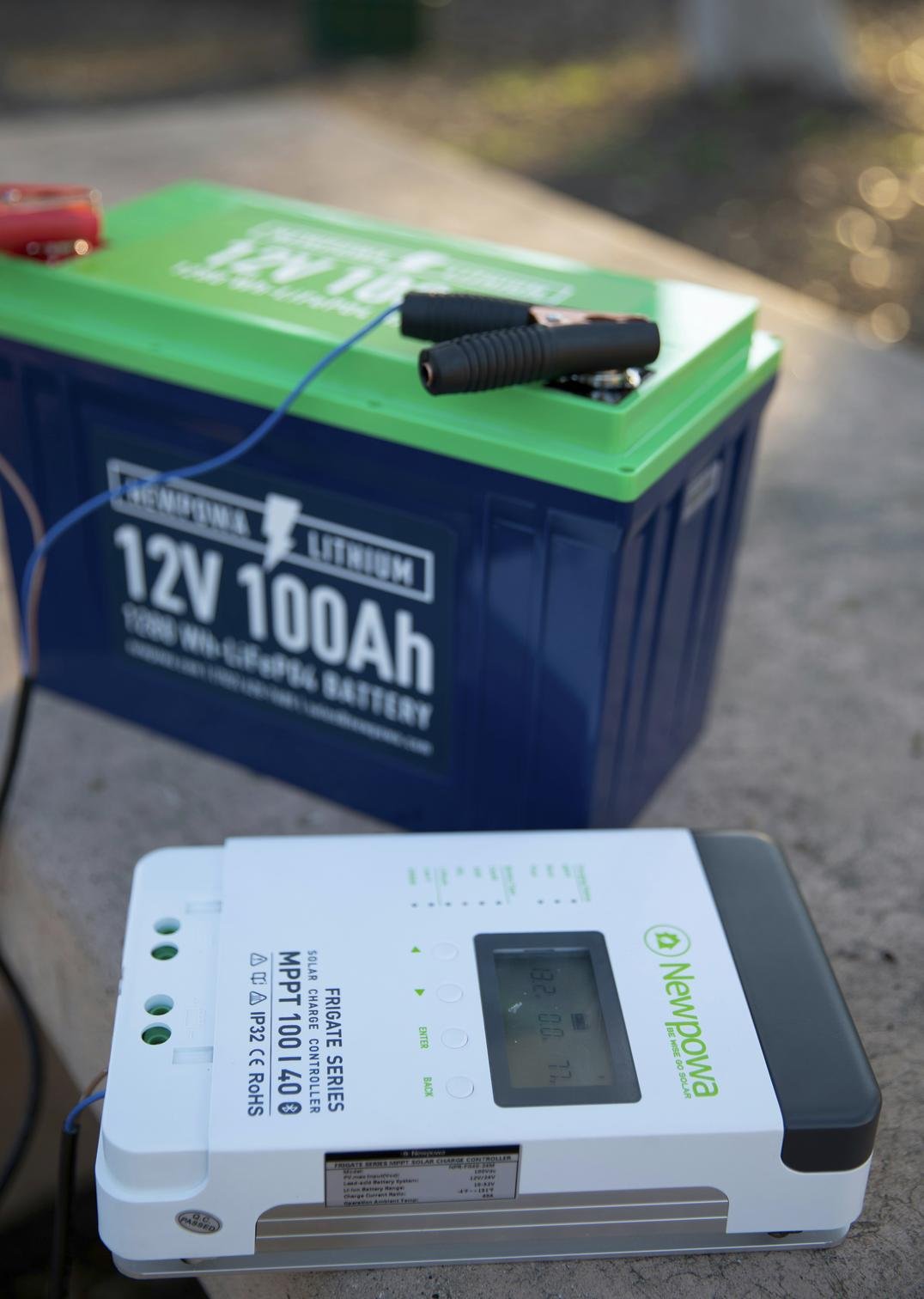
Furthermore, users should consider the potential benefits of integrating air compressors with renewable energy systems. For example, combining air compressors with solar or wind energy can drastically lower reliance on electricity from traditional sources, yielding substantial environmental benefits. By making conscious choices and investing in energy-efficient technologies, users of air compressors can play a pivotal role in reducing their environmental impact while still benefiting from the advantages that these machines offer in various applications.
Conclusion
In evaluating the question of whether air compressors use a lot of electricity, it is vital to consider several aspects that influence their energy consumption. Air compressors are frequently used tools in various industries and home applications, providing significant benefits such as efficiency in powering tools, inflating objects, and facilitating various mechanical processes. However, this convenience does come with a cost, as they typically require substantial amounts of electricity to operate effectively.
Throughout this discussion, the energy consumption of air compressors has been analyzed in conjunction with their operational mechanics and the variables that affect their efficiency. Factors such as the size of the compressor, its horsepower rating, and the duration of its use all play pivotal roles in determining overall electricity usage. Additionally, the efficiency ratings of compressors can vary widely, impacting energy consumption rates. Users should take into account these elements to better gauge how much electricity their specific compressor will draw.
Furthermore, it is recommended that individuals assess their unique needs alongside their practices regarding air compressor usage. Engaging in energy-efficient practices, such as using the appropriate size for tasks, performing regular maintenance, and implementing timers or pressure controls, can significantly reduce electricity consumption. Ultimately, a balanced approach enables users to enjoy the benefits of air compressors while effectively managing their energy expenses.
By remaining informed and attentive to their operational practices, users can optimize the use of air compressors, ensuring they receive maximum utility with minimized electricity costs. Awareness of energy management strategies can greatly contribute to both operational efficiency and overall cost savings.