


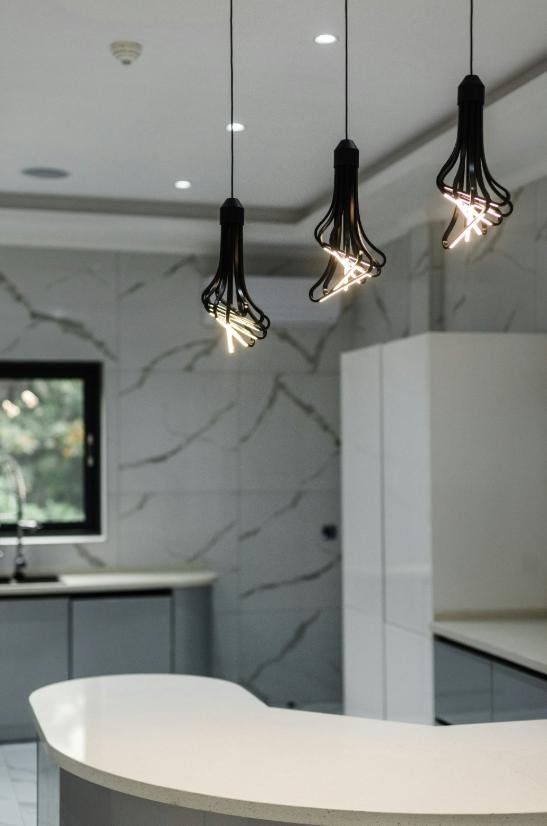
Understanding Downlights
Downlights are a type of lighting fixture that directs light downwards, typically installed into ceilings or walls, providing functional and aesthetic illumination. Their design often conceals the light source, creating a sleek and modern appearance, making them a popular choice for residential and commercial spaces alike. In the context of kitchen design, downlights serve to enhance visibility while adding an element of sophistication to the space.
One of the key features that distinguishes downlights from other lighting fixtures is their ability to produce focused light, which is particularly beneficial for task-oriented areas like kitchens. Unlike traditional pendant or surface-mounted fixtures that scatter light in all directions, downlights can be strategically placed to illuminate specific areas, such as countertops or islands, ensuring that food preparation tasks are completed safely and efficiently. This directional lighting is essential for creating a well-lit environment conducive to cooking and dining.
Common terms associated with downlights include “recessed lighting,” which refers to fixtures that are installed within the ceiling, providing a clean and unobtrusive look. Conversely, surface-mounted downlights are attached directly to the ceiling or wall surface, offering versatility in terms of installation and design compatibility. Other variations include adjustable downlights, which can be tilted to direct light where it is most needed, thereby enhancing the overall functionality of the kitchen space.
The various styles and designs of downlights allow homeowners to select fixtures that align with their personal aesthetic while meeting practical needs. Given their ability to provide focused illumination, as well as their unobtrusive appearance, downlights are often considered a superior choice for kitchen lighting. Their adaptability and effectiveness make them an essential component in modern kitchen design.
Benefits of Using Downlights in the Kitchen
When considering optimal kitchen lighting, downlights present a number of attractive advantages. The aesthetic appeal of downlights should not be underestimated; they offer a sleek, modern design that integrates seamlessly into various kitchen styles. Available in multiple finishes and styles, downlights can enhance the overall ambiance, offering a clean look that complements cabinets, countertops, and appliances.
Apart from their visual allure, the functionality of downlights plays a crucial role in kitchen environments. These fixtures provide concentrated illumination where it is most required, making them ideal for task lighting on work surfaces. Whether chopping vegetables or reading a recipe, having direct, bright light helps improve visibility and reduces the risk of accidents. Moreover, strategically placed downlights can illuminate specific areas such as kitchen islands, enhancing the usability of the space and allowing for social interactions during meal preparations.
Energy efficiency is another important benefit of downlights, particularly when equipped with LED bulbs. LED downlights consume significantly less electricity compared to traditional incandescent bulbs and have a much longer lifespan, making them a cost-effective option in the long run. This means homeowners can enjoy well-lit kitchens without incurring high electricity bills or frequently replacing light sources.
Finally, the versatility of downlights enhances their appeal in kitchen settings. They can be installed in various arrangements—whether as multiple fixtures in a row or in circular patterns—offering flexibility in design that can be tailored to individual preferences. Altogether, downlights create a well-lit and inviting atmosphere in the kitchen, contributing to both functionality and aesthetics while remaining energy-efficient.
Determining the Purpose of Your Kitchen Lighting
Understanding the purpose of your kitchen lighting is crucial for achieving the desired ambiance and functionality. In this regard, evaluating the primary activities conducted in the kitchen, such as cooking, dining, and entertaining, plays a vital role in determining the appropriate lighting intensity and placement of downlights.
Cooking is perhaps the most demanding activity in terms of lighting requirements. It necessitates bright, focused illumination to ensure safety and precision during food preparation. Downlights strategically installed above countertops, stoves, and sinks can provide the necessary light to facilitate these tasks. Ideally, the lighting should be bright enough to minimize shadows and enhance visibility, allowing for a seamless cooking experience.
Dining areas in the kitchen also require careful consideration when selecting downlighting. The ambience in these areas should be warm and inviting, promoting a relaxed atmosphere for family meals or entertaining guests. Dimming capabilities can elevate the dining experience, giving you the flexibility to adjust the intensity according to the occasion. Placing downlights above dining tables can help create focal points while ensuring sufficient light coverage.
Entertaining in the kitchen presents another unique challenge for lighting design. It is common for kitchens to serve as social hubs during gatherings, and effective lighting can enhance the overall experience. Combining brighter task lighting for food preparation with softer ambient lighting can create a balanced setting for social interactions while maintaining functional visibility. In summary, understanding the activities you regularly perform in your kitchen will guide you in selecting downlights that meet your specific lighting needs effectively.
Calculating the Required Lumen Output
Determining the necessary lumen output for kitchen lighting is crucial for ensuring adequate illumination for various tasks performed in this space. The lumen is a unit that quantifies the amount of light emitted by a source. In kitchens, which serve multiple functions, the need for appropriate lighting levels can vary significantly based on usage. The recommended lumens typically range from 100 to 120 lumens per square foot, depending on the specific activities being carried out.
To start the calculation, one must first measure the square footage of the kitchen area. This can be done by multiplying the length by the width of the space. For instance, a kitchen measuring 10 feet by 12 feet will have a total area of 120 square feet. Once the area is established, the next step is straightforward: multiply the square footage by the recommended lumens for the specific tasks involved. If general lighting is required, using an average of 100 lumens per square foot would mean that this kitchen requires approximately 12,000 lumens in total (120 square feet x 100 lumens).
Different tasks may necessitate varying lumen levels. For instance, food preparation areas benefit from higher luminance, often recommended at 150 lumens per square foot. In this context, our previous example would then require around 18,000 lumens (120 square feet x 150 lumens) to cater to the needs for cooking and food preparation. It is essential to consider additional lighting sources, such as under-cabinet lights or accent lighting, to achieve a balanced and functional illumination throughout the kitchen.
Ultimately, understanding and calculating the required lumen output for your kitchen ensures not only functionality but also enhances the overall aesthetic of the space, creating an environment that is both practical and inviting.
Choosing the Right Type of Downlights
When selecting downlights for your kitchen, it is essential to consider various types available on the market, including LED, halogen, and fluorescent options. Each type possesses unique characteristics, making it vital to identify which aligns best with your kitchen’s lighting needs.
LED downlights are a popular choice due to their impressive energy efficiency and longevity. With a lifespan averaging 15,000 to 50,000 hours, they significantly reduce the frequency and cost of replacements. Additionally, LED options emit less heat compared to other types and come in various color temperatures, allowing for tailored ambiance. Although the initial investment for LED downlights can be higher, their long-term savings on electricity bills often outweigh the upfront costs.
On the other hand, halogen downlights are known for their bright, focused light and ability to render colors accurately, making them ideal for kitchens where task lighting is necessary. Their lifespan ranges from 2,000 to 4,000 hours, which is significantly shorter than LEDs. Moreover, halogens operate at a higher temperature, which may not be ideal for all kitchen environments. It is important to consider safety and efficiency when selecting halogen options, as they can lead to increased energy costs over time.
Fluorescent downlights, while less common for residential kitchens, offer some advantages in specific settings. They provide even illumination and have a lifespan of around 7,000 to 15,000 hours. However, they can be less energy-efficient than LEDs and may take time to reach their full brightness. Additionally, fluorescent lighting can sometimes affect the color in the kitchen, distorting how food and surfaces appear.
Ultimately, when choosing downlights, assess your kitchen’s requirements, including brightness, energy consumption, and lighting quality, to make an informed decision that enhances both functionality and aesthetics.
Spacing Your Downlights: A Guide
Properly spacing downlights in your kitchen is crucial to achieving optimal illumination while minimizing shadows and dark spots. The arrangement not only affects the aesthetics of the space but also contributes significantly to functionality. To begin with, consider the size of your kitchen. A larger room typically requires more downlights to ensure even distribution of light, while smaller kitchens may function efficiently with fewer fixtures. As a rule of thumb, downlights should be spaced approximately 4 to 6 feet apart in standard ceiling heights. However, if your ceilings are higher than average, you may need to adjust this distance accordingly to maintain effective lighting levels.
Ceiling height is another key factor to consider when planning your downlight layout. For ceilings that are 8 to 9 feet tall, maintaining that 4 to 6 feet spacing is often ideal. Conversely, for ceilings that rise above 10 feet, increasing the spacing between downlights to around 6 to 8 feet can help achieve adequate brightness throughout the kitchen area. Conducting a light test can be beneficial; temporarily positioning your downlights according to your plan and observing the light output before installation can help refine your placements.
Moreover, the intended use of the kitchen should not be overlooked. Areas where precision is required, such as over countertops and cooking surfaces, might benefit from a higher concentration of downlights. It is advisable to reduce spacing in these zones, perhaps to about 3 to 4 feet apart, to eliminate shadows that could be detrimental during food preparation. By carefully considering these aspects—room size, ceiling height, and functional areas—you can effectively optimize your downlight layout and create a well-lit, welcoming kitchen space.
Considerations for Dimming and Control Options
When planning the lighting in your kitchen, considering dimming and control options is essential to create a versatile and functional environment. Dimmable downlights are an advantageous choice, as they provide the flexibility to adjust brightness according to specific tasks or moods. For instance, bright lighting is ideal for food preparation and cooking, while softer illumination can create a cozy atmosphere during family gatherings or casual dining.
Integrating smart home technology into your lighting system can significantly enhance functionality. Smart-enabled downlights allow users to control brightness and colors through their smartphones or tablets. This integration not only offers convenience but also enables customization based on the time of day or specific activities. For example, you can program the lights to gradually brighten in the morning to mimic natural sunlight or create a dimmed romantic setting during the evening with just a tap on your device.
Remote control options also play a key role in modern kitchen lighting systems. Having a remote allows you the freedom to adjust your downlights from anywhere within the room, which is especially helpful when your hands are busy with cooking tasks. Moreover, some remote control systems can operate multiple lights simultaneously, providing seamless integration across different zones within the kitchen.
Additionally, incorporating dimmers not only improves the functionality of downlights but also contributes to energy efficiency. By adjusting the light levels, you can reduce energy consumption and extend bulb lifespan. Overall, the incorporation of dimmable downlights, smart home integrations, and remote controls continues to revolutionize kitchen lighting, providing both functionality and aesthetic appeal. Choosing the right system will significantly enhance the overall experience in your kitchen space.
Installation Tips and Safety Precautions
When it comes to installing downlights in your kitchen, careful planning and execution are essential to ensure both functionality and safety. The first step in this process is determining the proper placement of the downlights. Consider the layout of your kitchen, including areas where tasks are performed, such as countertops and workspaces. Distributing the downlights evenly throughout the kitchen will create balanced illumination and minimize shadows, resulting in a more efficient and aesthetically pleasing space.
In addition to strategic placement, adherence to electrical codes cannot be overstated. Familiarize yourself with local building regulations, as these will provide guidelines on the appropriate wattage, placement specifications, and required safety measures. This can help prevent potential hazards such as electrical fires, which can be exacerbated by improper installations. Using a licensed electrician for the installation can also ensure compliance with all relevant codes and provide peace of mind regarding safety.
Furthermore, a critical aspect of downlight installation is ensuring proper insulation, especially in areas where downlights come into contact with ceilings or other materials. The use of IC-rated (Insulation Contact) downlights is recommended, as they are designed to be installed in insulated ceilings without risk of overheating. This contributes to both energy efficiency and fire safety. In addition, implementing fire safety measures, such as the use of dimmers to limit overheating and maintaining minimum clearance from combustible materials, should be prioritized to reduce the likelihood of fire hazards.
Lastly, always ensure that the power supply is turned off at the circuit breaker before beginning the installation. Utilizing the right tools and following manufacturer instructions precisely will further enhance safety and the overall effectiveness of your downlight installation in the kitchen.
Maintenance and Replacement of Downlights
To ensure that downlights perform optimally throughout their lifespan, regular maintenance is essential. One of the most important aspects of downlight maintenance involves cleaning the fixtures. Dust and grease can accumulate on the surfaces, affecting illumination quality. It is advised to turn off the power supply before beginning the cleaning process. Using a soft, dry cloth or a microfiber towel, gently wipe the exterior of the downlight. For more thorough cleaning, a mild detergent mixed with water can be used, but care should be taken to avoid getting moisture inside the fixture.
Another critical factor in maintaining downlights is the timely replacement of bulbs. Most LED downlights have a lifespan ranging from 15,000 to 50,000 hours, depending on the quality of the product. Regularly checking the brightness of the lights can help identify if they need replacement. If you notice that the downlights are flickering, dimming, or emitting an unusual color, it may be indicative of a dying bulb. Changing bulbs when issues arise ensures consistent lighting and enhances the overall decor of your kitchen.
In addition to cleaning and replacement, troubleshooting common issues can extend the life of your downlights. If a fixture fails to illuminate, first check whether the bulb is securely fitted. If the bulb appears fine, inspecting the electrical connections is crucial. Ensure that the downlight is properly connected to the power supply. In cases where the downlight still does not function, consulting a professional electrician may be necessary to identify deeper electrical issues.
By following these maintenance tips—cleaning regularly, replacing bulbs as needed, and troubleshooting effectively—you can significantly increase the lifespan and performance of your kitchen downlights, ensuring a well-lit and inviting space for years to come.