Introduction to Food Dehydrators
Food dehydrators are specialized appliances designed to remove moisture from food, thereby prolonging its shelf life and preserving its nutritional value. The primary purpose of a food dehydrator is to facilitate the dehydration process, which is an ancient method of food preservation. By lowering the water content in fruits, vegetables, meats, and even herbs, dehydration inhibits the growth of bacteria, molds, and yeast, allowing for safe storage without refrigeration.
The function of a food dehydrator is relatively simple. It employs heated air circulation to draw moisture out of food items, typically operating at temperatures ranging from 95°F to 165°F. The airflow helps to expedite the drying process by ensuring even distribution of heat. Most food dehydrators come equipped with adjustable temperature settings, allowing users to customize the drying process depending on the type of food being preserved. For instance, fruits generally require lower temperatures, while meat may need higher temperatures for safe dehydration.
Various types of foods can be dried using a food dehydrator. Common items include fruits such as apples, bananas, and strawberries, which become concentrated in flavor and nutrition when dehydrated. Vegetables such as tomatoes, peppers, and carrots can also be dried, making them easier to store and utilize in cooking. Additionally, meats can be dehydrated to create jerky or to preserve leftovers. Even herbs can benefit from the dehydration process, providing a convenient method for storing seasonal flavors for later use.
In summary, food dehydrators serve as valuable tools for preserving a wide variety of foods through moisture removal. Understanding how these appliances function lays the groundwork for a comprehensive exploration of their energy consumption and the implications for household electricity usage.
How Food Dehydrators Work
Food dehydrators are specialized appliances designed to remove moisture from food items, thereby extending their shelf life and concentrating flavors. The fundamental mechanism of food dehydrators centers around a combination of heating elements and an efficient airflow system. These components work in tandem to ensure that moisture is extracted consistently and effectively.
At the heart of the food dehydrator is its heating element, which generates warmth. Typically, this element can be adjusted to different temperatures, allowing users to customize the dehydration process based on the type of food being processed. For instance, fruits and vegetables may require lower temperatures to preserve their nutrients, while meats may need higher temperatures to ensure safety. The heating element warms the air inside the dehydrator, facilitating the evaporation of moisture from the food placed on its trays.
The airflow system is another critical aspect of the dehydrator’s operation. Most modern food dehydrators are equipped with a fan that helps circulate the heated air throughout the chamber. This circulation is vital, as it allows for even distribution of heat and consistent drying of all food items placed inside. Furthermore, effective airflow also aids in transferring moisture away from the food, which prevents the build-up of humidity and promotes quicker drying times.
Some dehydrators feature advanced designs such as horizontal airflow, which enhances the uniformity of the dehydration process compared to traditional vertical models. This ensures that all trays receive equal airflow, resulting in evenly dried foods. Overall, understanding the mechanics of how food dehydrators work provides valuable context for evaluating their electricity consumption during operation. The efficiency of these machines ultimately influences their energy usage, making it essential to consider these factors when assessing their impact on energy bills.
Electricity Usage: The Basics
Understanding electricity consumption is crucial for informed decisions regarding energy-efficient appliances, including food dehydrators. At its core, electricity usage is measured in watts (W), which quantifies the power drawn by an electrical device. For larger appliances, this measurement is often expressed in kilowatts (kW), where one kilowatt equals 1,000 watts.
A key concept in determining how much electricity a device uses is the kilowatt-hour (kWh). This unit measures the total energy consumed over time. When a device rated at one kilowatt operates for one hour, it uses one kilowatt-hour of electricity. By knowing the wattage of your food dehydrator and the duration of its operation, you can easily calculate its energy consumption. For instance, if a food dehydrator consumes 600 watts and runs for five hours, it will use a total of 3 kWh (0.6 kW x 5 hours).
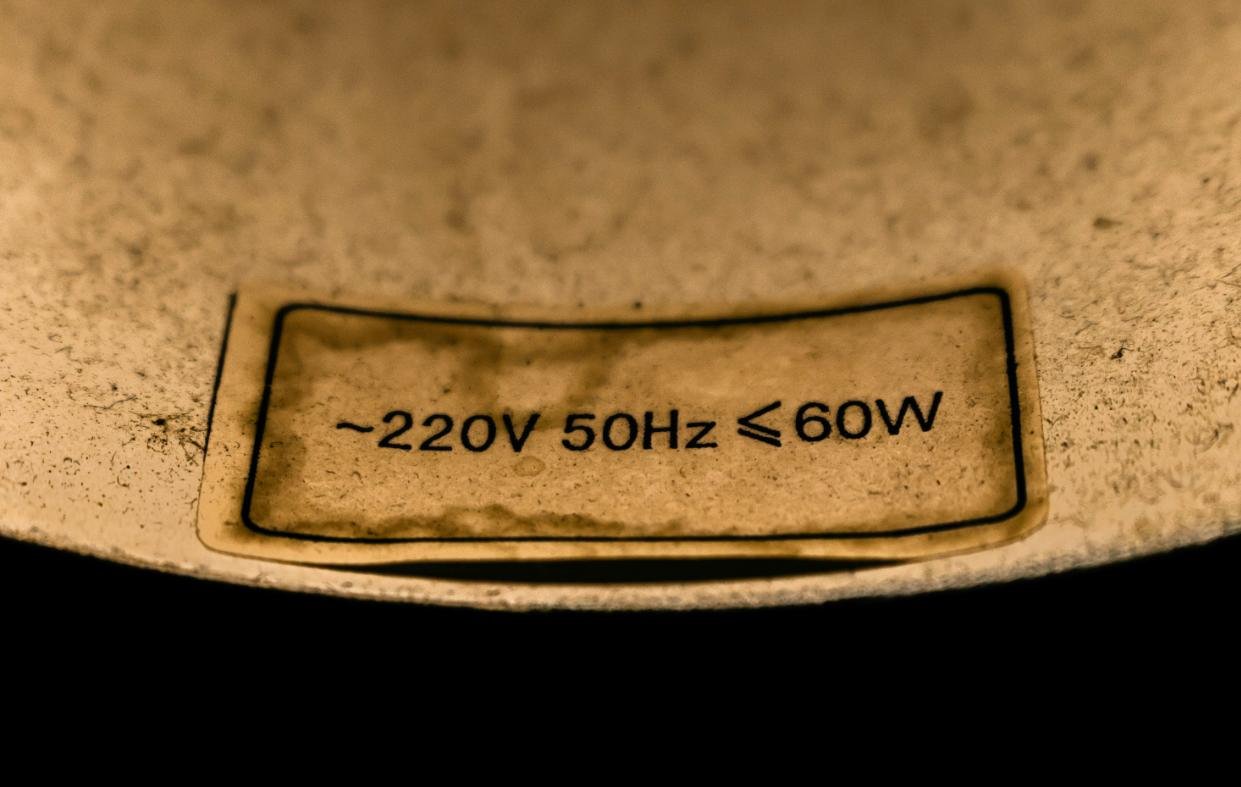
To comprehend electricity consumption effectively, one must also be aware of how to measure energy use. Many appliances come with an energy rating label indicating their power consumption. These ratings are often presented in watts and occasionally provide estimates of yearly or monthly energy consumption based on average use. Such information can help consumers compare the energy efficiency of different food dehydrators and make better choices based on their energy needs.
Additionally, understanding standby consumption is vital, as some devices continue to draw power even when not in active use. This phantom load can accumulate over time, impacting overall electricity bills. Familiarizing yourself with these basic concepts will empower you to manage your energy usage efficiently, making your food dehydrator a valuable addition to your kitchen without excessive electricity costs.
Average Power Consumption of Food Dehydrators
Food dehydrators are versatile kitchen appliances that have gained popularity for preserving fruits, vegetables, and meats. Understanding their electricity usage is crucial for consumers considering their options. Typically, the average power consumption of food dehydrators varies significantly depending on the model and design. Most food dehydrators operate within a wattage range of 250 to 1000 watts, with most common models averaging around 500 to 600 watts.
Entry-level or compact units usually consume less energy, often falling between 250 and 400 watts. These models can efficiently dehydrate small batches of food without putting a strain on electricity bills. They are ideal for individuals or small families who dabble in occasional food dehydration. However, for larger quantities and faster drying times, higher wattage dehydrators are recommended. The mid-range and high-end models, which can consume between 600 and 1000 watts, are better suited for regular use or for enthusiasts aiming for bulk dehydration.
Brand considerations also influence power consumption. For instance, popular brands like Excalibur offer models that consume approximately 600 to 800 watts, while smaller brands may provide more compact options at lower wattage. Notably, users might find that advanced dehydrators equipped with features such as adjustable temperature settings or built-in timers may use more electricity but can improve the efficiency and effectiveness of the dehydration process.
Ultimately, when choosing a food dehydrator, it is essential to factor in not only the wattage but also the overall energy efficiency of the appliance. Consumers should carefully assess their drying needs against the power consumption to make an informed decision that balances performance with electricity costs.
Comparing Energy Consumption to Other Appliances
Understanding the electricity consumption of food dehydrators can be enhanced by comparing their energy usage to that of other common kitchen appliances. Food dehydrators are often lauded for their energy efficiency, particularly when stacked against appliances such as ovens, microwaves, and blenders. The typical food dehydrator utilizes between 300 to 600 watts of power, making them relatively low in electricity consumption compared to its culinary counterparts.
In contrast, traditional ovens generally require significantly more energy, averaging around 2000 to 5000 watts. This substantial consumption arises from the need to heat the oven to a high temperature for cooking, which can escalate operating costs, especially during prolonged use. Additionally, using an oven for drying food is less targeted and often requires a longer cooking time, further increasing energy consumption.
Microwaves offer a more energy-efficient cooking alternative, operating at approximately 600 to 1200 watts. However, food dehydrators provide a more consistent heat application suited for their purpose over longer periods. Moreover, if a dehydrator is utilized for extended periods—which is often the case—its overall electricity demand can still be lower compared to a microwave that operates at peak energy for shorter bursts.
Blenders, on the other hand, generally range from 300 to 900 watts depending on their capacity and power. While their energy consumption is quite similar to that of food dehydrators, the duration of use tends to be much shorter. This short-term use means that, on a time-weighted basis, food dehydrators may consume less overall electricity while processing large quantities of food.
In comparing these appliances, it is evident that food dehydrators occupy a favorable position regarding energy consumption, particularly for users focused on sustainable cooking methods and preserving food. This efficient electricity usage not only makes dehydrators an environmentally friendly choice but also a cost-effective one for the average household.
Factors Influencing Energy Consumption
Understanding the electricity consumption of food dehydrators requires a comprehensive examination of several important factors. One of the primary aspects influencing energy use is the size of the appliance. Generally, larger dehydrators tend to consume more power due to their increased heating capacity and area for air circulation. This means that a five-tray dehydrator will likely use more electricity than a three-tray model, especially when both are operated at similar settings.
Another crucial factor is the temperature setting used during the dehydration process. Most food dehydrators provide a range of temperatures that can be adjusted depending on the type of food being processed. Higher temperature settings typically result in greater energy consumption since they require more power to maintain the desired heat level. Conversely, using lower temperatures may reduce electricity usage while still effectively drying foods, although this may extend the time required for dehydration.
The length of operation further impacts energy consumption. The total time an appliance operates significantly correlates with the overall electricity consumed. Longer dehydration durations mean more energy used, while shorter cycles can contribute to savings. Additionally, monitoring the moisture content of the food and adjusting drying times accordingly can lead to more efficient energy use.
Finally, the load capacity plays a vital role in determining how much electricity a food dehydrator will use. Overloading a dehydrator may cause it to work harder, potentially increasing energy consumption. It is best to adhere to the manufacturer’s guidelines regarding the recommended load to ensure optimal performance and efficiency. By considering these factors, one can better assess how electricity consumption varies among different food dehydrators, enabling users to make informed choices based on energy efficiency.
Tips for Reducing Energy Usage with Food Dehydrators
Using food dehydrators can be an efficient way to preserve fruits, vegetables, and other produce. However, they can also contribute significantly to your electricity consumption if not utilized correctly. To minimize energy usage while maintaining the effectiveness of food dehydrators, there are several practical strategies to consider.
One effective approach is batch processing. Instead of using the dehydrator for one item at a time, consider preparing and dehydrating multiple items in a single session. This not only maximizes your dehydrator’s capacity but also allows for more efficient electricity use over time, as the appliance operates at a steady temperature for an extended duration. By planning ahead and drying an assortment of fruits or vegetables, you can reduce overall energy consumption.
Additionally, optimizing temperature settings can contribute to energy efficiency. Most food dehydrators come with adjustable temperature controls. It’s advisable to set the dehydrator to the lowest effective temperature that will still achieve your desired results. Lowering the temperature can decrease energy consumption significantly and can often yield equally satisfactory results, especially for delicate items like herbs.
Timing strategies also play a crucial role in reducing electricity usage. Utilize timers to ensure the dehydrator runs only as long as necessary. Over-dehydrating can waste energy, while precise timing can lead to optimal output without excessive electricity bills. Moreover, using the dehydrator during off-peak electricity hours can lead to additional savings, particularly if your energy provider offers lower rates during these times.
By implementing these strategies—batch processing, optimal temperature settings, and effective timing—users can make informed decisions to reduce the energy footprint of their food dehydrators while enjoying the many benefits of dehydrated foods.
The Environmental Impact of Food Dehydrators
The use of food dehydrators can have significant environmental implications, particularly when it comes to energy consumption and sustainable practices in food preservation. Typically designed to remove moisture from fruits, vegetables, and herbs, these appliances can vary widely in terms of energy efficiency. Understanding their energy consumption allows consumers to make informed decisions about their overall environmental footprint. By utilizing energy-efficient models, users can minimize electricity use, thus reducing the environmental impact of their food preservation activities.
Many modern food dehydrators are designed with energy efficiency in mind. They use less electricity than traditional ovens, allowing for a more sustainable approach to drying food. It is essential for potential users to consider the wattage of various dehydrators when selecting a model, as this can indicate how much energy it will draw during operation. Some dehydrators even feature built-in timers and temperature controls, which can further improve efficiency and ensure that food is dried perfectly without unnecessary energy waste.
In addition to energy-efficient options, consumers may also explore the use of renewable energy sources to power their dehydrators. For example, solar panels can be employed to harness natural sunlight, thereby offsetting electricity costs and contributing to a more sustainable lifestyle. By integrating such renewable energy solutions, the carbon footprint associated with using food dehydrators can be significantly reduced.
Furthermore, food dehydrators can promote sustainable eating habits by enabling individuals to preserve seasonal produce, reducing food waste, and encouraging the consumption of healthier snacks. When users dehydrate fruits and vegetables at home, they are often choosing organic and locally sourced options, which further supports sustainable agricultural practices. Hence, using a food dehydrator not only satisfies individual dietary preferences but also champions environmental responsibility.
Conclusion: Evaluating the Cost-Benefit of Food Dehydrators
In evaluating the cost-benefit of food dehydrators, several key factors come into play, including energy consumption, operating costs, and overall efficiency. Food dehydrators have gained popularity for their ability to preserve food while offering nutritional benefits, making them an appealing appliance for health-conscious individuals. When considering whether a food dehydrator utilizes a significant amount of electricity, it is essential to analyze not just the wattage used during operation, but also how that translates into cost over time.
The typical energy consumption of a food dehydrator can range, depending on the model and its efficiency. Most appliances operate at an average of 500 to 1,500 watts, which may seem considerable. However, the processing times for dehydrating food are generally longer, averaging between six to twelve hours. Thus, the actual energy usage might not be as high as one might assume, particularly when contrasted with other kitchen appliances like ovens or stoves, which often consume more energy in shorter durations.
From a cost-effectiveness perspective, the benefits of using a food dehydrator can outweigh the operating costs, especially for those who buy fruits or vegetables in bulk or wish to prevent food waste. Homemade dehydrated snacks can also be less expensive than purchasing packaged versions. Moreover, the efficiency of dehydration allows for the preservation of food, extending shelf life and enhancing meal planning capabilities, thereby ultimately reducing grocery bills.
In conclusion, food dehydrators present a viable option for those interested in both energy efficiency and cost savings. With moderate electricity consumption and long-term economic benefits, investing in a food dehydrator can prove to be a wise choice for enhancing food preservation techniques while keeping energy costs in check.