Introduction to Home Ice Cream Machines
Home ice cream machines have surged in popularity in recent years, appealing to a wide range of ice cream enthusiasts and home cooks alike. The ability to create personalized flavors and indulge in the delightful experience of crafting one’s own ice cream has transformed this once-specialized kitchen appliance into a staple in many households. Historically, making ice cream was a labor-intensive process that required manual churning and significant effort. However, with the advent of modern home ice cream machines, the experience has become significantly more accessible and enjoyable.
There are primarily two types of home ice cream machines—manual and electric. Manual machines, while often more affordable and compact, require physical effort to churn the ice cream mixture. These devices tend to be favored by those who enjoy the traditional method of ice cream making as well as the hands-on involvement it entails. On the other hand, electric machines have gained widespread acceptance due to their convenience and efficiency. These machines typically incorporate built-in compressors, allowing for continuous ice cream production without the need to pre-freeze bowls or mixtures. Consequently, they cater to users who prefer simplicity and quick results.
The basic principle behind the operation of these machines is quite straightforward: they incorporate a freezing mechanism that churns the ice cream mixture while simultaneously lowering its temperature. This combination of mixing and freezing creates a smooth and creamy texture by preventing the formation of large ice crystals, which can compromise the quality of the final product. As a result, home ice cream makers can produce a delightful array of flavors with unparalleled freshness, contributing to the growing trend of homemade ice cream.
The Science Behind Ice Cream Making
Ice cream production involves a fascinating interplay of ingredients and processes that together create the beloved frozen dessert. The fundamental components of ice cream are cream, sugar, and flavorings. Each ingredient serves a specific purpose that is critical to achieving the desired texture and flavor of the final product. Cream, which is high in fat, contributes to the richness and smooth mouthfeel of ice cream. The fat particles interact with air and water during the freezing process, creating a stable emulsion that enhances texture.
Sugar plays a dual role in ice cream making. Firstly, it sweetens the mixture, but it also affects the freezing point of the ice cream base. By lowering the freezing point, sugar prevents the formation of large ice crystals, resulting in a smoother texture. Balancing the sugar content is essential, as too much sugar can lead to a product that is too soft and difficult to scoop, while too little can result in an overly hard texture.
The incorporation of air into the ice cream mixture is another crucial aspect of the process, known as overrun. While air is naturally introduced during churning, maintaining the right balance is key to achieving lightness and creaminess. Insufficient air results in a dense product, whereas excessive air can create an undesirable frothy texture. This balance between fat, sugar, and air is fundamental to producing a premium quality ice cream that delights the palate.
Flavorings, such as vanilla or chocolate, enhance the overall taste experience and are incorporated at various stages of the process. Understanding the interactions between these components is vital for both home and professional ice cream makers. By mastering the science behind ice cream making, one can achieve a delectable variety of textures and flavors, ultimately leading to the perfect frozen treat.
Types of Home Ice Cream Machines
Home ice cream machines come in various types, each designed to cater to different preferences and usage scenarios. Understanding these categories helps enthusiasts choose the best one for their needs. The three primary types of home ice cream machines are manual ice cream makers, electric ice cream makers, and compressor machines.
Manual ice cream makers are often the most traditional type. They typically consist of a hand-cranked mechanism that allows the user to combine ingredients while the machine churns. This type of ice cream maker requires a bit of effort and time, making it a hands-on experience. A notable advantage of manual machines is their simplicity and low cost; however, they may not yield the same smooth texture as electric models. Additionally, the need for manual labor can be a drawback for some users.
Electric ice cream makers significantly streamline the process, utilizing an electric motor to churn the mixture. These devices come in a range of designs, with many models featuring removable bowls that can be pre-frozen. The advantage of electric ice cream makers is their ease of use; users can prepare ice cream with minimal effort. Furthermore, they provide consistent results and quicker chilling times compared to manual alternatives. However, some electric models can be relatively expensive and may require additional space for storage.
Finally, compressor machines are the most advanced option. They come with built-in refrigeration systems that eliminate the need for pre-freezing bowls. This type tends to be expensive but offers the greatest convenience and quality. Users can make multiple batches of ice cream in a single session, and the built-in compressor enables quick cooling of ingredients. The primary disadvantages are their higher cost and larger footprint, which may not be suitable for smaller kitchens.
Understanding the Components of an Ice Cream Machine
Home ice cream machines are intricate devices composed of several essential components that work together to produce creamy and delicious ice cream. Understanding these components is crucial for anyone interested in the art of ice cream making. Primarily, a home ice cream machine consists of a mixing bowl, dasher, freezing chamber, and motor, each playing a pivotal role in the overall process.
The mixing bowl is where the magic begins, designed to hold the ingredients—cream, sugar, flavorings, and any additional mix-ins. It is usually made from materials that facilitate even freezing, such as stainless steel or aluminum. Once the ingredients are combined, the dasher, or churn, is responsible for blending the mixtures while simultaneously incorporating air. This aeration is vital; it contributes to the smooth texture of the ice cream while preventing the formation of large ice crystals.
Next, the freezing chamber is critical for maintaining the optimal temperature during the churning process. Most home ice cream machines operate with a pre-frozen bowl, allowing the temperature to drop significantly, which enables the mixture to freeze as it is churned. The cold surface of the freezing chamber facilitates quick freezing of the ice cream mixture, contributing to a denser final product.
Finally, the motor powers the dasher’s rotation. The strength and efficiency of the motor can significantly impact the capacity to churn the ice cream mixture. A reliable motor ensures consistent and thorough mixing, which is essential for achieving the desired texture and temperature. Each of these components complements one another, demonstrating how a home ice cream machine operates as a cohesive unit, turning simple ingredients into a delightful frozen treat.
How the Ice Cream Making Process Works
The process of making ice cream at home using an ice cream machine is both enjoyable and straightforward. It generally begins with preparing the ice cream base, which is a mixture of cream, milk, sugar, and flavorings. The particular ratio of these ingredients can vary based on individual preferences or specific recipes. For instance, a custard base may incorporate egg yolks, adding richness and creaminess to the final product.
Once the base is ready, it must be cooled down in the refrigerator. This cooling stage enhances the flavor development while ensuring that the mixture is below room temperature when it is placed into the ice cream machine. Cooling is especially important since it leads to a smoother texture in the finished ice cream, preventing large ice crystals from forming.
Next, the cooled mixture is poured into the ice cream machine’s bowl. The machine employs a churning mechanism—either manual or automatic—depending on the model. As the base churns, air is incorporated, which is essential for achieving a light and airy consistency. This process also helps in the formation of tiny ice crystals. For machines with a built-in freezing element, the churning and freezing occur simultaneously.
After several minutes, the ice cream begins to thicken. However, the churning process does not create a fully frozen dessert immediately. Hence, once the desired consistency is reached, it is recommended to transfer the ice cream to a separate container and place it in the freezer for several hours to achieve a firmer texture. The final step involves scooping out the homemade ice cream, ready to be served. Various ice cream types, such as sorbets or gelato, may require slight variations in the process, emphasizing the versatility offered by different ice cream machine designs.
Temperature and Its Role in Ice Cream Texture
The texture of ice cream is primarily determined by the management of temperature throughout the freezing and churning processes. When making ice cream, the temperature plays a crucial role in how ice crystals form, which directly impacts the creaminess and overall mouthfeel of the final product. To achieve the desired smoothness, it is essential to maintain an optimal freezing temperature. If the mixture freezes too slowly, larger ice crystals will develop, resulting in a grainy texture rather than the silky consistency that is characteristic of high-quality ice cream.
During the churning process, the mixture is agitated while it begins to freeze. This agitation introduces air into the mixture, a process known as overrun, which contributes to the ice cream’s lightness and volume. For the best results, the temperature should ideally remain between -10°F and -20°F (-23°C to -29°C) during churning. At these temperatures, smaller ice crystals can form, leading to a more desirable texture. If the temperature is not low enough, the ice cream may not be churned efficiently, leading to uneven freezing and a compromised texture.
It is also important to consider the initial temperature of the mixture before it enters the machine. Adding a warm mixture into a home ice cream machine can raise the internal temperature, causing an extended freezing time and larger crystals to form. It is recommended to chill the mixture in the refrigerator for several hours before beginning the churning process. Understanding and controlling these temperature variables is key to enhancing the ice cream-making experience and achieving a final product that is smooth, creamy, and ready to enjoy.
Common Challenges in Using Home Ice Cream Machines
Utilizing a home ice cream machine can be an enjoyable experience, but it often comes with its own set of challenges that may impede the creation of the perfect ice cream. One common issue is achieving the desired texture; many users encounter ice cream that is either too hard or too soft. A frequently encountered problem is ice cream that is overly soft, which can occur if the mixture did not chill sufficiently before being placed in the machine. To address this, allow the mixture to sit in the refrigerator for several hours prior to churning. Furthermore, it is essential to ensure that the ice cream machine’s bowl is adequately frozen for at least 24 hours, as an insufficiently cold bowl can result in subpar outcomes.
On the other side of the spectrum is ice cream that is too hard, which can be particularly frustrating. This occurs when the mixture is over-churned or improperly stored. To remedy this, one can allow the ice cream to sit at room temperature for a few minutes before serving, making it easier to scoop. Additionally, consider adding ingredients such as alcohol or corn syrup to the mixture, as they can help inhibit ice crystal formation, resulting in a smoother texture.
Another issue that home ice cream makers may face is crystallization. This unsightly condition can drastically alter the quality of the ice cream, causing it to become grainy. Crystallization can occur if the ice cream is not churned adequately or if it is not stored correctly. To mitigate this problem, ensure that the ice cream machine runs for the appropriate duration and place the ice cream in an airtight container in the freezer to minimize air exposure. By troubleshooting these common challenges with proper techniques and adjustments, aspiring home ice cream makers can achieve a delightful frozen treat with the desired consistency and flavor.
Maintenance and Care for Your Ice Cream Machine
Proper maintenance of your ice cream machine is essential to ensure its longevity and optimal performance. Regular cleaning and care can prolong the life of the appliance and enhance the quality of the ice cream produced. The first step in maintaining your ice cream machine is to read the manufacturer’s instructions, as specific models may have unique requirements.
After each use, it is vital to disassemble and clean all removable parts of the machine. Typically, this includes the bowl, dasher, and other detachable components. Wash these items with warm, soapy water, and avoid using abrasive cleaning tools to prevent scratches. For models with a compressor, it’s important to keep the exterior clean as well to ensure proper airflow and prevent overheating. Using a damp cloth to wipe down the surfaces will help maintain the cleanliness and efficiency of the machine.
When storing your ice cream machine, choose a cool, dry place away from direct sunlight, which can damage the components over time. For machines that utilize a built-in compressor, allow adequate ventilation, as heat can build up during operation. Additionally, when not in use for extended periods, consider running the machine temporarily every few weeks to keep the internal parts lubricated and functioning properly.
Check the seals and gaskets regularly for any signs of wear or damage, as these components play a crucial role in maintaining temperature consistency and preventing leaks. If any parts need replacement, consult the manufacturer for the correct components. Moreover, ensure that the ice cream mixture is at the right temperature before churning, as this contributes to better texture and flavor.
By following these maintenance tips, you can ensure that your ice cream machine remains in excellent condition, allowing you to craft delicious homemade ice cream for years to come.
Creative Ice Cream Recipes to Try at Home
Using a home ice cream machine offers a unique opportunity to explore a variety of flavors and create delicious frozen treats. These versatile machines allow for experimentation with different ingredients, resulting in personalized ice cream that is both fun to make and delightful to eat. Here, we present some creative ice cream recipes that can easily be made at home, encouraging you to dive into the world of homemade desserts.
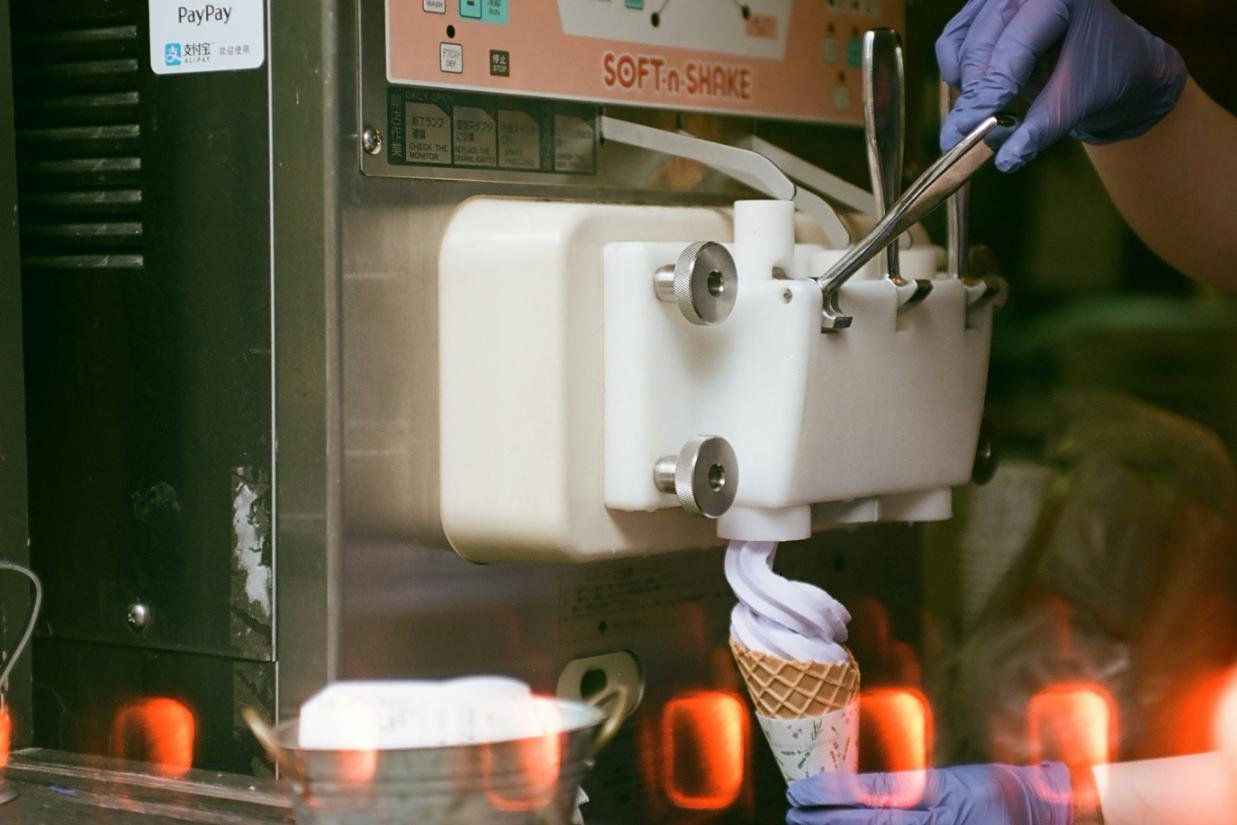
One innovative recipe to try is Lavender Honey Ice Cream. Begin by steeping dried culinary lavender in warm milk for about 30 minutes. Strain the mixture, add cream, honey, and sugar, then churn it in your ice cream machine until it reaches a soft-serve consistency. The floral notes of lavender paired with the sweetness of honey create a delicately flavored ice cream perfect for a summer day.
Another option is Avocado Chocolate Ice Cream. Simply blend ripe avocados with cocoa powder, sweetened condensed milk, and a splash of vanilla extract. Once smooth, transfer the mixture to the ice cream machine and churn until creamy. This unusual combination offers a rich and creamy texture, with healthy fats from the avocados lending a unique twist to a classic dessert.
For those seeking a fruity sensation, a Mango Coconut Sorbet could serve as a refreshing treat. Puree fresh mangoes with coconut milk and a squeeze of lime juice. Pour the mixture into your home ice cream machine and churn until it thickens. This recipe not only showcases vibrant tropical flavors but also provides a dairy-free alternative for those who are lactose intolerant.
Don’t hesitate to experiment with various flavors and ingredients based on your preferences. Whether incorporating herbs, spices, or different fruits, the possibilities are endless when using a home ice cream machine. Enjoy the creative process and treat yourself to homemade ice cream like never before!