


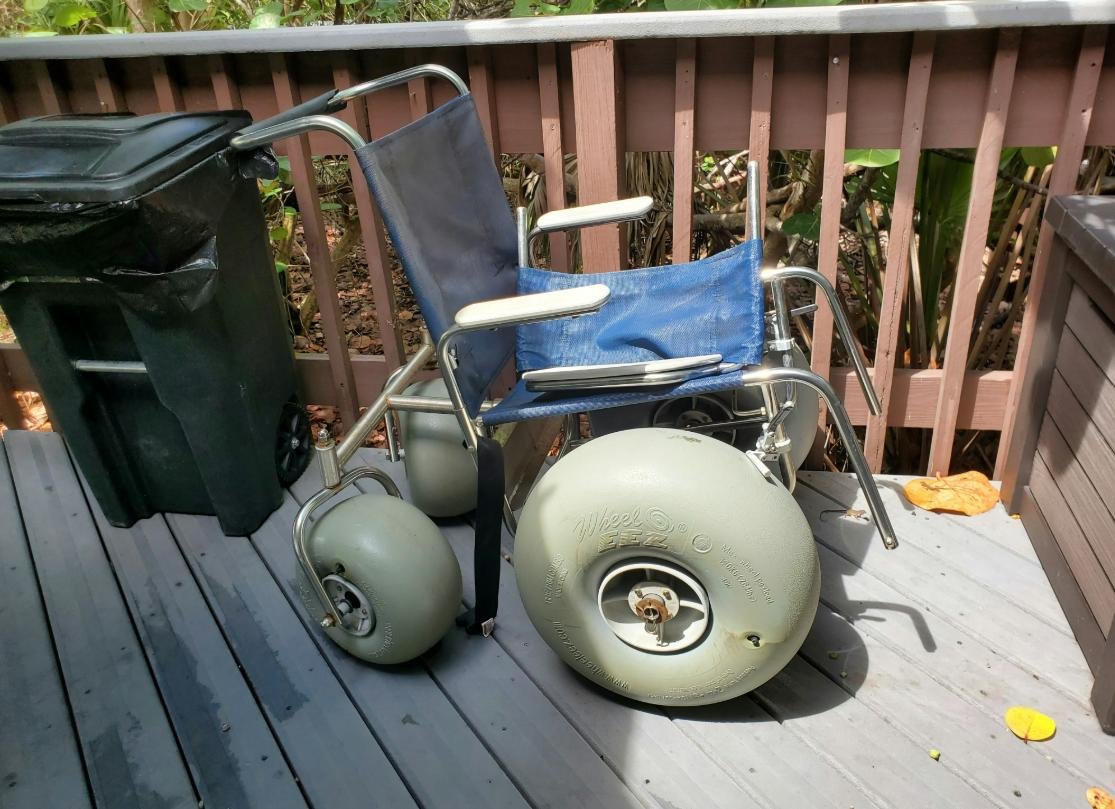
Introduction to Wheelchair Durability
The durability of wheelchairs plays a crucial role in ensuring mobility and independence for individuals who rely on them. Understanding how long wheelchairs typically last is essential for both users and caregivers. Wheelchairs, like any other piece of medical equipment, are subject to wear and tear, necessitating a deeper comprehension of the factors that can influence their lifespan. Factors such as the type of wheelchair, usage frequency, maintenance practices, and the weight capacity all contribute to the overall durability of a wheelchair.
For instance, manual wheelchairs generally have different lifespans and material compositions compared to electric wheelchairs. While manual wheelchairs are often constructed from lightweight materials that are designed for ease of use and mobility, electric wheelchairs are typically built with more robust components to support the additional mechanical functions. These differences can significantly impact how long each type of wheelchair will last under normal conditions.
Furthermore, understanding wheelchair durability involves recognizing the importance of maintenance and care. Regular checks on tires, brakes, and other vital components can extend the lifespan of a wheelchair. Additionally, appropriate cleaning methods can prevent wear and corrosion, thereby contributing to the longevity of the device. It is recommended to adhere to manufacturer guidelines to foster optimal performance and durability.
Overall, the concept of wheelchair durability encompasses various elements that together depict the lifespan of wheelchairs. By examining these facets, individuals can make informed decisions when selecting a wheelchair that best meets their needs and expectations, thus ensuring they remain mobile and comfortable for as long as possible.
Average Lifespan of Different Wheelchair Types
Understanding the average lifespan of wheelchairs is essential for users and caregivers alike when considering maintenance, replacement, and overall mobility needs. Each type of wheelchair boasts a different expected lifespan based on its design, materials, and typical usage patterns.
Manual wheelchairs, designed for self-propulsion or assistance, generally have a lifespan ranging from 5 to 10 years. Factors such as the terrain they are frequently used on, the user’s weight, and maintenance routines can significantly affect their durability. Regular checks and timely repairs can prolong the life of a manual wheelchair, thereby ensuring optimal performance and safety.
In contrast, power or electric wheelchairs typically last between 3 to 5 years. Their longevity depends heavily on the frequency and type of use, battery maintenance, and the quality of the components. The batteries often need replacement after a few years, which can contribute to the overall cost of ownership. Users who take care to operate their electric wheelchairs according to manufacturer guidelines can expect better performance and lifespan.
Sport wheelchairs, specifically designed for athletic activities, have a shorter average lifespan of about 3 to 5 years due to the rigorous demands placed on them during usage. The materials used in these wheelchairs are often lighter and more specialized, leading to greater wear and tear. However, high-quality sport wheelchairs can be maintained or repaired to enhance their usability and lifespan.
Ultimately, understanding how various factors such as usage patterns and maintenance influence the lifespan of wheelchairs can help individuals make informed decisions. Investing time in proper care and understanding the specific needs of the wheelchair type will result in enhanced durability and prolonged use.
Factors That Affect Wheelchair Longevity
The longevity of a wheelchair is influenced by a variety of factors that are crucial for maintaining its efficacy and safety for the user. One of the most significant determinants is the frequency of use. A wheelchair that is utilized regularly for long durations is likely to experience more wear and tear compared to one that is used occasionally. Daily usage leads to increased stress on components such as wheels, frame, and upholstery, consequently reducing its overall lifespan.
Maintenance practices also play a pivotal role in extending the life of a wheelchair. Regular servicing, including wheel alignment, tire inflation, and thorough cleaning, can significantly mitigate the effects of wear. Neglecting these maintenance tasks can lead to accelerated deterioration, making it essential for users to develop a consistent upkeep routine. Proactive maintenance not only ensures the wheelchair remains operational but also enhances the experience of the user.
Weight capacity is another critical factor to consider. Each wheelchair is designed to accommodate a certain weight limit, and exceeding this threshold can jeopardize its durability. Overloading can cause structural failure and hasten the degradation of components, ultimately compromising the safety of the user. Hence, it is vital to select a wheelchair that aligns with the user’s weight for optimal durability.
The materials used in manufacturing the wheelchair significantly impact its longevity as well. For example, wheelchairs made from high-grade aluminum or titanium are typically more resilient when compared to those constructed with lower-quality metals. Additionally, environmental conditions like exposure to moisture, extreme temperatures, and humidity can also affect the wheelchair’s materials, leading to rust, corrosion, or degradation.
Signs Your Wheelchair Needs Replacement
Recognizing when a wheelchair is due for replacement is crucial for ensuring the safety and comfort of its user. Various indicators can signal that a wheelchair may no longer serve its intended purpose effectively. One of the most apparent signs is visible damage, such as cracks or dents in the frame, which may compromise the structural integrity of the wheelchair. For those relying on this mobility aid, any significant blemishes can directly affect both safety and usability.
Another noticeable sign is performance-related issues. A wheelchair that previously maneuvered smoothly may begin to demonstrate difficulties in steering or transitioning over surfaces. If the wheels are wobbling or if resistance occurs during movement, it may indicate a need for repairs or, in some cases, a complete replacement. Additionally, performance can also degrade in powered wheelchairs, characterized by slower speeds or difficulties in battery retention.
Comfort is an essential aspect of wheelchair usability, and a decrease in comfort levels can be a significant warning sign. Over time, cushions may wear out, leading to inadequate support and discomfort during prolonged use. Users may notice increased pressure points or a lack of lumbar support, which can result in less mobility and potential secondary health issues, such as pressure sores. If a wheelchair no longer provides the necessary comfort and support, it might be time to consider a replacement.
Lastly, regular maintenance is necessary for extending a wheelchair’s life, but gradual wear and tear can lead to an eventual decline in performance and safety. Paying attention to these signs can help users make informed decisions to maintain their independence and enjoyment. Properly identifying these indicators will facilitate a proactive response, ensuring users can avoid potential difficulties associated with a failing wheelchair.
Maintenance Tips for Extending Wheelchair Life
Maintaining a wheelchair is crucial for ensuring its longevity and optimal performance. Regular inspections are the first step in this maintenance routine. Checking the condition of both the frame and seating area allows users to identify potential wear and tear early. Look for any cracks or bends in the structure and inspect the upholstery for signs of damage. This proactive approach can help prevent more significant issues that could arise from neglect.
Cleaning the wheelchair regularly is another essential practice. Use a mild soap solution and a soft cloth to wipe down surfaces. Focus on the wheels, as dirt and debris can build up and impede mobility. Keeping the footrests and armrests clean not only improves aesthetics but also ensures comfort for the user. Additionally, for wheelchairs that have battery-operated components, it is important to keep such elements dry and free from dirt to prevent malfunctions.
Routine repairs play a vital role in extending the lifespan of wheelchairs. Address issues like flat tires, squeaky wheels, or loose parts promptly to prevent them from worsening. Checking and inflating the tires to the manufacturer’s recommended pressure can also enhance mobility and reduce wear on the wheels. Furthermore, making necessary adjustments to components such as brakes and armrests ensures safety and comfort, providing a smooth user experience.
Finally, investing in high-quality accessories and replacement parts can contribute to the wheelchair’s longevity. Opting for durable materials and components means fewer replacements and repairs in the long run. Establishing a maintenance schedule, including regular check-ups by professionals, can further enhance the lifespan of the wheelchair. By adhering to these maintenance tips, users can significantly extend the life of their wheelchairs, ensuring they remain safe and functional for years to come.
Warranty Considerations and Manufacturer Recommendations
The longevity of a wheelchair is significantly influenced by the warranty terms offered by manufacturers and their recommendations for maintenance. Understanding these aspects is essential for users seeking to maximize the value of their investment in a wheelchair. Essentially, a warranty serves as a promise from the manufacturer regarding the quality and durability of the product. Most wheelchair warranties cover the frame and key components for a period typically ranging from one to five years, depending on the manufacturer. Additionally, it is important to note that warranties may vary significantly across different models and types of wheelchairs, such as manual and powered options.
When selecting a wheelchair, consumers should pay close attention to the specific terms of the warranty. A comprehensive warranty indicates that the manufacturer stands behind the craftsmanship and longevity of their product. Users should also inquire about any exclusions or limitations that may apply. For instance, certain types of damage resulting from improper use or lack of maintenance may not be covered under warranty. Therefore, understanding manufacturer recommendations for proper care can significantly impact the lifespan of the wheelchair.
Routine maintenance is crucial for maintaining optimal functionality and longevity. Many manufacturers provide guidelines regarding regular checks and servicing of various components, including wheels, tires, and seating mechanisms. Adhering to these recommendations helps users identify potential issues early, preventing extensive repairs and prolonging usability. In their literature, manufacturers may also recommend specific products for cleaning and maintenance, which are designed to ensure compatibility and performance. By being aware of and following these recommendations, wheelchair users can enhance their mobility aids’ lifespan, ensuring reliable performance for years to come.
How User Behavior Influences Wheelchair Lifespan
The longevity of a wheelchair is significantly impacted by user behavior, encompassing various aspects such as usage patterns, maintenance routines, and storage practices. Wheelchairs are designed to endure daily wear and tear; however, specific habits can either extend or shorten their lifespan. For instance, the frequency with which a wheelchair is used plays a critical role in determining its longevity. A wheelchair that faces daily, rigorous use under demanding conditions may experience wear much faster than one utilized intermittently in a controlled environment.
Another crucial factor is the manner in which the wheelchair is operated. Users who engage in aggressive maneuvers, such as sharp turns or abrupt stops, may inadvertently contribute to wear and tear on the wheels and frame. Additionally, transporting the wheelchair on uneven surfaces or over obstacles can also accelerate the deterioration of various components. Adhering to manufacturer guidelines can mitigate these issues; by following recommended practices, users can ensure their wheelchairs maintain optimum performance for a more extended period.
Proper storage conditions are equally important. A wheelchair left exposed to harsh environmental factors, including extreme temperatures or moisture, may suffer from material degradation over time. For example, metal components may corrode and fabric seats may deteriorate when not protected from the elements. Conversely, storing a wheelchair in a clean, dry environment significantly benefits its durability.
In summary, user behavior plays a pivotal role in influencing wheelchair lifespan. By adopting mindful usage habits, committing to regular maintenance, and ensuring proper storage, users can enhance their wheelchair’s longevity, ultimately maximizing its functionality and comfort over time.
Personal Experiences: Stories from Wheelchair Users
Listening to the experiences of wheelchair users provides valuable insights into the longevity and performance of these essential mobility aids. Many individuals have shared their stories that highlight the real-world durability of wheelchairs. For instance, one user detailed their experience with a manual wheelchair that lasted over five years. They attributed its longevity to regular maintenance, such as daily cleaning and periodic inspections of the wheels and seating components. This careful attention allowed the user to reinforce their wheelchair’s sturdiness, ultimately contributing to an extended lifespan.
Another user reflected on their transition from a standard model to a more advanced, customizable electric wheelchair. Initially, they were apprehensive about the durability of electric models, as they often incorporate complex electronics that could potentially fail. However, after several years of use, they praised the robustness of their chosen brand. The user noted that they encountered only minor issues, which were resolved promptly with the assistance of customer service, thereby conserving the wheelchair’s longevity.
A third testimonial emerged from an individual who had limited mobility due to a medical condition. They spoke of the importance of choosing a wheelchair suited to their specific needs. Their first wheelchair did not meet their expectations, as it deteriorated quickly after a year of use. After undergoing thorough research, they found a more suitable option that better aligned with their lifestyle, resulting in a much longer duration of service. This emphasizes that personalization plays a critical role in maximizing wheelchair lifespan.
These narratives illustrate that the longevity of wheelchairs can vastly differ based on various factors, including maintenance, model selection, and individual needs. As these personal accounts highlight, the life expectancy of a wheelchair can be significantly influenced by the user’s proactive approach to care and adaptability in selecting a suitable model for their circumstances.
Conclusion: Finding the Right Wheelchair for Longevity
In the pursuit of ensuring mobility and independence, the longevity of a wheelchair plays a crucial role. By understanding how to choose an appropriate model tailored to one’s specific requirements, individuals can significantly enhance their overall experience. Selecting the right wheelchair not only caters to comfort and usability but also impacts the lifespan of the equipment. Various considerations must be taken into account, including weight capacity, intended usage, and terrain adaptability. Each of these factors can influence the wear and tear of the wheelchair over time.
Additionally, routine maintenance is paramount in extending the functional life of a wheelchair. Regular checks on the tires, brakes, and moving parts can prevent minor issues from becoming major repairs. This proactive approach can extend the wheelchair’s usability and foster a sense of security and reliability for the user. In conjunction with proper maintenance, understanding the material quality and construction of a wheelchair can further guide users in making informed choices. High-quality materials typically yield a longer-lasting product, even under frequent use.
Moreover, engaging with healthcare professionals and occupational therapists can provide valuable insights into the most suitable options available. Their expertise can help individuals navigate the myriad of choices tailored specifically to their lifestyle and mobility challenges. It is also essential to consider the evolving technology and innovative designs in wheelchair solutions that may offer enhanced functionality and increased durability.
In conclusion, the right wheelchair can significantly influence the user’s mobility experience. By focusing on appropriate selection, maintenance, and professional guidance, individuals can not only meet their mobility needs but also ensure that their wheelchair remains a reliable companion for many years, thus maximizing the benefits derived from this essential tool.
